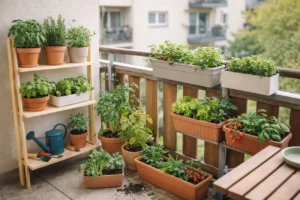
If you’ve ever stepped onto your balcony during peak summer and felt that intense wave of heat, you already know how brutal it can be. Now imagine what your plants are going through—stuck in small pots, exposed to direct sun, with roots heating up faster than you’d expect.
I learned this the hard way one summer when almost half of my balcony plants started wilting within days. Leaves turned dull, soil dried out too quickly, and no matter how much I watered, things just didn’t improve.
Heatwaves can be tough, but the good news is—they don’t have to destroy your garden. With a few practical adjustments, you can protect your plants and even help them thrive during extreme heat.
Why Heatwaves Damage Balcony Plants
Intense Sunlight Burns Leaves
Balconies often receive direct sunlight, especially in the afternoon. During a heatwave:
- Leaves can scorch
- Edges turn brown
- Plants lose moisture rapidly
Unlike garden plants, balcony plants can’t escape or regulate their exposure.
Pots Heat Up Faster Than Ground Soil
Soil in pots heats up quickly because:
- Limited volume traps heat
- Plastic or metal containers absorb more sunlight
- Roots get stressed or damaged
This is one of the biggest hidden reasons plants suddenly stop growing in summer. If you’ve noticed that happening, you might find it helpful to read about why indoor plants stop growing and how to fix it.
Rapid Moisture Loss
High temperatures + wind = fast evaporation:
- Soil dries within hours
- Roots struggle to absorb enough water
- Plants wilt even if watered regularly
Early Signs Your Plants Are Struggling
Leaf Wilting and Curling
Leaves droop or curl inward to reduce water loss. This is often the first visible warning sign.
Faded or Yellowing Leaves
Heat stress can cause discoloration. If it continues, it may lead to long-term damage.
Dry, Cracked Soil
If your soil pulls away from the edges of the pot, it’s a sign it’s drying too fast.
Slow or Stunted Growth
Plants focus on survival instead of growth during heat stress.
Step-by-Step: How to Protect Balcony Plants During Heatwaves
1. Provide Temporary Shade
The simplest and most effective step.
- Use shade cloth, old curtains, or even cardboard
- Cover plants during peak sun hours (12 PM – 4 PM)
- Keep morning sunlight available
Even partial shade can reduce stress significantly.
2. Adjust Your Watering Strategy
Watering during heatwaves is not about “more,” it’s about “timing and method.”
- Water early morning (best time)
- Water again lightly in the evening if needed
- Avoid midday watering (water evaporates quickly)
If you struggle with watering balance, you can also check my guide on correcting watering schedules for living room plants.
3. Mulch the Soil Surface
Mulching helps retain moisture and cool the soil.
Use:
- Dry leaves
- Grass clippings
- Coconut husk
A thin layer can:
- Reduce evaporation
- Keep roots cooler
- Improve soil structure over time
[Insert image showing mulched balcony pots]
4. Move Pots Strategically
During extreme heat:
- Shift plants away from direct sunlight
- Place them near walls or shaded corners
- Group pots together to create a cooler microclimate
This small change can make a big difference.
5. Use the Right Containers
Some pots trap heat more than others.
Better options:
- Clay or terracotta pots (stay cooler)
- Light-colored containers (reflect heat)
Avoid:
- Dark plastic pots in direct sunlight
6. Reduce Fertilizing During Heatwaves
Fertilizing can stress plants further during extreme heat.
- Pause feeding temporarily
- Resume once temperatures stabilize
Overfeeding in heat can even cause damage. If you’ve ever seen leaf burn, you might want to read about fertilizer burn in plants and how to fix it.
7. Increase Humidity Around Plants
Balconies are usually dry during heatwaves.
Simple ways to increase humidity:
- Light misting (early morning only)
- Place a tray of water near plants
- Group plants closely
This helps reduce water loss from leaves.
8. Check Soil Condition Regularly
Heat can change soil behavior quickly.
- Check moisture daily
- Loosen compacted soil gently
- Add compost if soil dries too fast
If your soil struggles to retain moisture, you can also explore how I stopped balcony soil from drying fast.
[Insert image showing checking soil moisture with finger]
What Actually Worked for Me
In my experience, the biggest breakthrough came when I stopped relying only on watering.
At first, I kept increasing water, thinking that would solve the problem. But the plants still struggled. What worked for me was combining three things:
- Morning watering
- Adding mulch
- Providing partial shade
One mistake I made was leaving pots in direct afternoon sun, assuming plants “need sunlight.” That assumption cost me a few plants.
Once I shifted them to filtered light during peak hours, the recovery was surprisingly quick. Leaves looked fresher, and growth resumed within days.
Common Mistakes to Avoid
- Watering heavily in the afternoon
- Leaving plants in full sun all day
- Using dark plastic pots in extreme heat
- Over-fertilizing stressed plants
- Ignoring early signs like wilting
- Letting soil dry out completely
Avoiding these can save most plants during heatwaves.
Pro Tips for Heatwave Protection
- Double potting (placing one pot inside another) helps insulate roots
- Use self-watering pots if you’re often busy
- Rotate pots regularly to avoid uneven stress
- Keep sensitive plants (like herbs) in partial shade always
- Use vertical space to create natural shade
If you’re starting your garden setup, choosing the right containers can help a lot—check out the best rail planters for small balconies for smart space use.
FAQs
How often should I water plants during a heatwave?
Usually, once daily in the morning is enough, but in extreme heat, you may need light evening watering. Always check soil before watering.
Can I move plants indoors during a heatwave?
Yes, temporarily moving sensitive plants indoors or to shaded areas can help reduce stress and prevent damage.
Is misting helpful during extreme heat?
Light misting in the morning can help, but avoid doing it in strong sunlight as it may cause leaf burn.
Should I fertilize plants during heatwaves?
It’s better to pause fertilizing during extreme heat. Plants are already stressed and may not handle extra nutrients well.
How do I know if my plant is dying or just stressed?
If leaves recover in cooler conditions, it’s stress. If stems become soft or roots rot, it may be more serious.
Conclusion
Heatwaves can feel overwhelming, especially when you see your plants struggling day after day. But the key thing to understand is this—most plants don’t need perfect conditions, they just need a bit of protection during extreme weather.
Focus on the basics:
- Reduce direct sun exposure
- Improve watering habits
- Keep soil cool and moist
- Avoid adding extra stress
Once you start applying these simple strategies, you’ll notice a big difference—not just in survival, but in how your plants continue to grow even in tough conditions.
Don’t worry if you’ve already lost a plant or two. It happens to every gardener at some point. What matters is learning from it and adjusting your approach.
With the right care, your balcony garden can survive heatwaves—and come back even stronger.