Gardening is incredibly fun, but for many beginners, it is frustrating that their new plants often wilt quickly after being taken home. In most cases, a small plastic label in the soil or on the tree is essential for successful planting. To ensure that new plants are safely transplanted from the greenhouse to your garden, it is crucial to learn the symbols, abbreviations, and technical terms on these labels. If you want to become a confident and successful gardener and understand the growth needs of every seedling, this comprehensive guide will teach you how to correctly read plant and nursery labels.
The Composition of Plant Labels
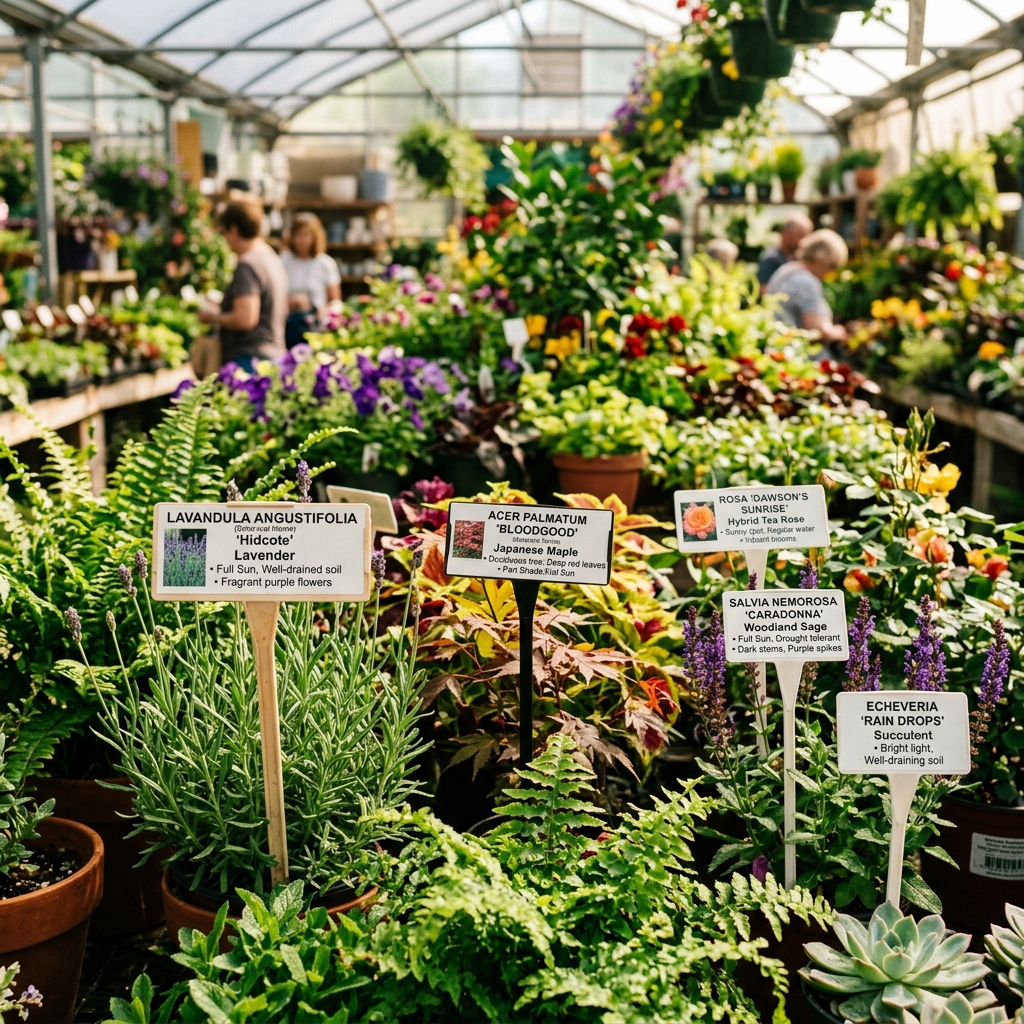
Most commercial nursery labels have a fairly standard layout, designed to convey as much information as possible in a limited space. The front usually shows a clear image of the flower or leaves in their mature state, along with the name of the plant, and may contain brief instructions on how much sunlight or water the plant needs. The back of the label serves as a manual; it contains a wealth of technical information regarding hardiness zones, precise planting spacing, plant growth patterns, and fertilisation methods. Knowing where to find this specific data prevents guesswork when caring for plants. This allows you to make informed purchasing decisions before checkout.
Difference Between Botanical and Common Names
Almost all nursery labels list both the common and botanical names. It is crucial to understand the difference to correctly identify plants. Common names vary by region and can be difficult to understand, as different species may share the same name. Plant names are written in Latin, with the genus name in capital letters and the species name in lowercase. This is the standard way to identify plants and ensures that you purchase the desired species. By looking only at the botanical name, you avoid buying invasive species or toxic, similar plants that could be harmful to the environment or pets.
Read Sun Exposure Requirements
Labels usually categorise light requirements into four groups: full sun, partial sun, partial shade, and full shade. Sufficient light is one of the most important factors for plant growth. Full sun means at least six hours of unobstructed sunlight in the afternoon per day. ‘Partial sun’ and ‘partial shade’ both refer to areas with three to six hours of sunlight per day. Full shade means the plant prefers morning sun, while partial shade means it must avoid the strong afternoon sun. This plant grows best in areas with fewer than three hours of sunlight per day, so it thrives in wooded environments or near north-facing walls.
Water Requirements
Instructions on plant labels regarding watering are not always very clear, such as “keep the soil evenly moist”, “drought-resistant”, or “allow the soil to dry out between waterings”. This means that the soil must always be moist, like a wrung-out sponge. The soil should not be completely dry, but neither should it be waterlogged. If a plant is drought-resistant, it means that once the root system has developed, the plant can survive for a long time without additional water, relying solely on rainwater. To allow the soil to dry out between waterings, you must ensure that the top few centimetres of the soil are completely dry before watering with a hose; this is a common requirement for succulents and Mediterranean herbs.
Nutrients and Soil
The type of soil in your garden has a significant influence on the health of the plant roots. Labels usually list recommended soil types, such as acidic soil, loam, well-draining soil, or soil rich in organic matter. Well-drained soil prevents water from accumulating at the roots, which is a major cause of root rot in many ornamental plants. The label may also contain specific information regarding fertilisation, such as whether slow-release granular fertiliser should be used in the spring or a liquid flowering-stimulating fertiliser during the summer months. If the recommendations on the label match the chemical composition of your local soil, you will require fewer chemical additives and lower maintenance costs.
How big they get and how they grow
A common mistake is ignoring the stated final size on the nursery label. This leads to overcrowded flowerbeds and requires extensive pruning later on. The label indicates the height and width the plant will reach within a certain number of years under optimal conditions. The plant’s growth habit is also indicated, such as dome-shaped, creeping, ascending, or upright. Imagine what the plant will look like when fully grown. This helps you correctly position newly planted plants so they have sufficient space for air circulation and root growth.
Hardiness Zones
The U.S. Department of Agriculture (USDA) map of hardiness zones divides the country into different zones based on the average minimum winter temperature. High-quality labels usually clearly state the hardiness zone number. If you live in Zone 6, buying plants labelled ‘Zone 8 to 10’ means they will not survive the cold winter unless you move them indoors. On the other hand, some fruit trees and flowering shrubs require a certain number of hours of cold winter temperature to bloom. This means that plants that thrive in cold climates may not grow well in warmer tropical climates.
Resistance to Pests and Diseases
Many modern labels emphasise a plant’s resistance to common local problems. They use specific letters or words to indicate resistance to diseases such as powdery mildew, rust, or certain harmful insects. For example, a rose label might explicitly state that the plant is highly resistant to black spot disease. This can save you a significant amount of time and money that you would otherwise spend on chemical fungicides. Some labels also indicate whether a plant is deer- or rabbit-repellent. This means that the plant’s leaves have a specific scent, texture, or toxin that naturally deters animals from turning your garden into a feast.
Simple Labels Versus Nursery Labels
It is important to know that generic plastic labels from large hardware stores may not contain as much information as labels custom-made by local, professional growers. Mass-produced labels often use broad, general descriptions for various climates, meaning they may provide somewhat inaccurate advice regarding sunlight or water requirements in your region. Detailed labels from local growers, on the other hand, usually contain specific tips on how a particular variety will grow in your soil and climate conditions, making them extremely useful for serious gardening projects.
In Addition to Basic Information
Labels sometimes feature extra pictograms or badges to highlight additional environmental benefits or unique characteristics. You may see small pictograms of butterflies or bees, indicating that the flower is highly attractive to important local pollinating insects. Some labels may contain a patent mark. These markings indicate that the plant variety is legally protected and may not be transferred or sold without the grower’s permission. By paying attention to these details, you can make your garden more environmentally friendly and grow plants ethically.
Consult an Expert
Even the most comprehensive plant labels do not take your garden layout into account, and sometimes textual information is simply insufficient. If you do not understand the descriptions on the label regarding soil pH or the correct planting distance, it is best to consult a certified grower or your local horticultural expert. These professionals can translate the technical jargon on the plastic label into specific, practical advice tailored to your situation. This ensures that your newly purchased plants fit perfectly in your new home.
Grow Your Gardening Success
The most important thing for a lush, low-maintenance garden is taking the time to carefully read the information on the plant label. By understanding plant names, taking hardiness zones into account, and ensuring sufficient water and light, you save a lot of time and effort. Now that you know thisthese detailsu can walk into any nursery with confidence and choose plants suitable for your local environment that will thrive for a long time, without having to guess.
Frequently Asked Questions
1. What is the most important information on a plant label?
The hardiness zone is the most important information, as it indicates whether the plant can naturally adapt to the cold winters in your region. If the hardiness zone on the label does not match the hardiness zone of your location, the plant cannot survive, regardless of how you water and fertilise it.
2. Why are there two names on plant labels?
The label displays a common name and a Latin scientific name. The common name is for everyday use, and the Latin scientific name is for scientific identification. By using the Latin scientific name, you ensure that you are buying the correct variety and cultivar and avoid misunderstandings caused by local jargon.
3. What does “partial sun” mean on the label?
Partial sun means that the plant requires three to six hours of direct sunlight per day. However, the plant prefers the cool morning sun and must avoid the intense midday sun.
4. Do I need to strictly follow the recommended planting distance?
To ensure the plants grow to their full potential, you must strictly follow the recommended planting distance. If the plants are planted too close together, air circulation is restricted, competition for nutrients in the soil increases, and the risk of fungal diseases becomes significantly higher.
5. Should I keep the labels after planting?
It is very important to keep the labels after planting. You can keep the labels in your garden notebook or hide them at the base of the plants. By keeping the labels, you can easily find the name of the plant and the care instructions, making your garden look more vibrant and colourful.