
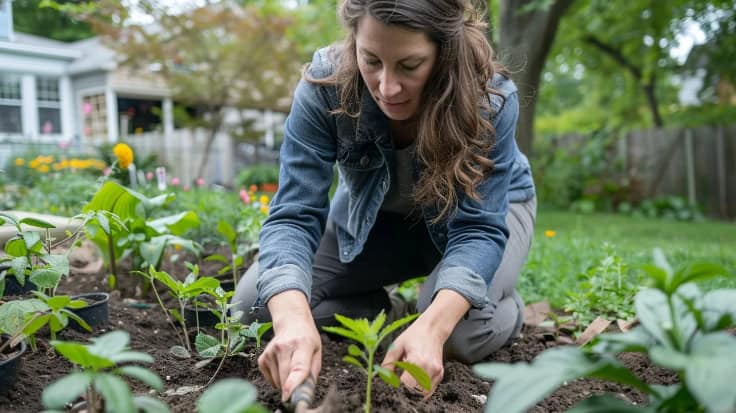
Gardening requires a delicate balance of patience and timing. Putting seeds or young plants into the ground too early can expose them to fatal cold temperatures. Waiting too long might mean your crops run out of time to mature before the season ends. Knowing the exact moment to transition your garden outdoors is the foundation of a successful growing season.
The transition from indoor seed starting to outdoor planting depends entirely on local climate conditions. Soil temperature and weather patterns dictate when seeds will germinate and when transplants will survive. Moving plants outside is a physiological shock, and doing it under the right conditions minimises stress and encourages rapid growth. This guide explores the essential factors that dictate safe outdoor planting. You will learn how to read your local climate, interpret planting instructions, and use specific techniques to stretch your growing season without risking your plants.
How can understanding your hardiness zone guide your planting schedule?
Your hardiness zone provides the baseline for all garden planning. The United States Department of Agriculture divides regions into specific zones based on average annual minimum winter temperatures. Finding your specific zone allows you to select plants capable of surviving your local climate conditions. A plant that thrives in Zone 8 might perish quickly in the colder temperatures of Zone 5.
Knowing your zone also helps you filter through online gardening advice. When you read a recommendation to plant tomatoes in April, that advice might only apply to warmer zones. By cross-referencing plant requirements with your USDA zone, you avoid the disappointment of losing crops to an unexpected freeze. This geographic knowledge forms the very first step in designing a resilient and productive garden.
Why is the last frost date crucial for outdoor planting?
The average last frost date is the most critical metric for any gardener. This date represents the historical average of the final spring day when temperatures dip below freezing. Tender vegetables like peppers, tomatoes, and cucumbers cannot survive freezing temperatures and must remain indoors until this date has safely passed.
Gardeners use the last frost date as a mathematical anchor for their entire schedule. If a seed packet instructs you to start seeds indoors six weeks before the last frost, you simply count backwards on your calendar. Cold-hardy crops like spinach, peas, and radishes can actually go into the soil several weeks before this date, as they tolerate and even prefer cooler weather. Relying on local weather data rather than a generic calendar ensures your plants avoid lethal spring chills.
What do plant labels and seed packets tell you about timing?
Seed packets and plant nursery labels contain precise blueprints for planting success. These small instructional guides provide specific days to maturity, optimal soil temperatures, and exact planting depths. They explicitly state whether a plant prefers direct sowing in the garden or requires a head start indoors.
Ignoring these labels often leads to poor germination rates or stunted growth. A packet of carrot seeds will specify that they should be sown directly outdoors a few weeks before the last frost because root vegetables do not transplant well. Conversely, a pepper plant label will emphasise waiting until the soil has thoroughly warmed. Treating these labels as strictly required reading takes the guesswork out of your planting timeline.
How does succession planting create a continuous harvest?
Succession planting is a strategic method that prevents your entire garden from maturing all at once. Instead of planting a massive row of lettuce on a single day, you plant a small section every two weeks. This staggered approach ensures a steady supply of fresh produce throughout the summer rather than an overwhelming surplus followed by an empty garden.
This technique requires careful attention to your seasonal window. You must calculate the days to maturity for your final planting to ensure it finishes growing before the first fall frost arrives. Fast-growing crops like radishes, bush beans, and greens are perfect candidates for this method. Planning your garden in these timed intervals maximises your yield and makes harvesting far more manageable.
What are the best ways to protect young plants from unexpected cold?
Even with careful planning, unexpected spring cold snaps can threaten young outdoor plants. Having protective measures ready can save weeks of hard work. Cloches are bell-shaped covers that sit directly over individual plants, trapping warmth from the sun and blocking freezing winds.
Row covers offer a larger-scale solution for entire garden beds. These lightweight, breathable fabrics allow sunlight and water to reach the soil while elevating the temperature around the foliage. You can leave these covers on during the day and secure the edges firmly at night to trap radiant heat from the soil. Preparing these physical barriers before the cold weather strikes gives your garden a vital safety net during unpredictable spring weeks.
How can adjusting to microclimates improve your garden’s success?
Every property contains distinct microclimates that behave differently from the broader regional weather. A garden bed positioned against a south-facing brick wall will absorb and retain heat, creating a significantly warmer environment than a bed situated in the middle of an open lawn. This localised warmth might allow you to plant heat-loving crops a week or two earlier than usual.
Conversely, low-lying areas at the bottom of a slope often trap cold air, creating frost pockets that stay cooler much longer into the spring. Observing where snow melts first and where the morning sun hits your yard helps you map these subtle variations. Matching your planting schedule to the specific microclimates in your yard allows for highly optimised and successful growth.
Which tools and techniques allow for early outdoor planting?
Soil thermometers are inexpensive tools that provide accurate readings of the ground temperature. Air temperature fluctuates wildly in the spring, but soil temperature changes slowly and dictates seed germination. Most warm-season crops require soil temperatures consistently above sixty degrees Fahrenheit to establish healthy root systems.
Cold frames act as miniature greenhouses that sit directly on the soil. These box-like structures with transparent lids capture solar energy and warm the earth beneath them. Gardeners use cold frames to harden off indoor seedlings or to directly sow cold-tolerant crops a month ahead of the normal schedule. Utilising these tools extends your growing season and gives your plants a robust start.
Your next steps for a successful planting season
Successfully transitioning your plants outdoors hinges on preparation and observation. By respecting your local frost dates, monitoring soil temperatures, and reading seed instructions carefully, you set the stage for a thriving garden. Start by mapping out your hardiness zone and purchasing a soil thermometer to track your garden’s readiness.