
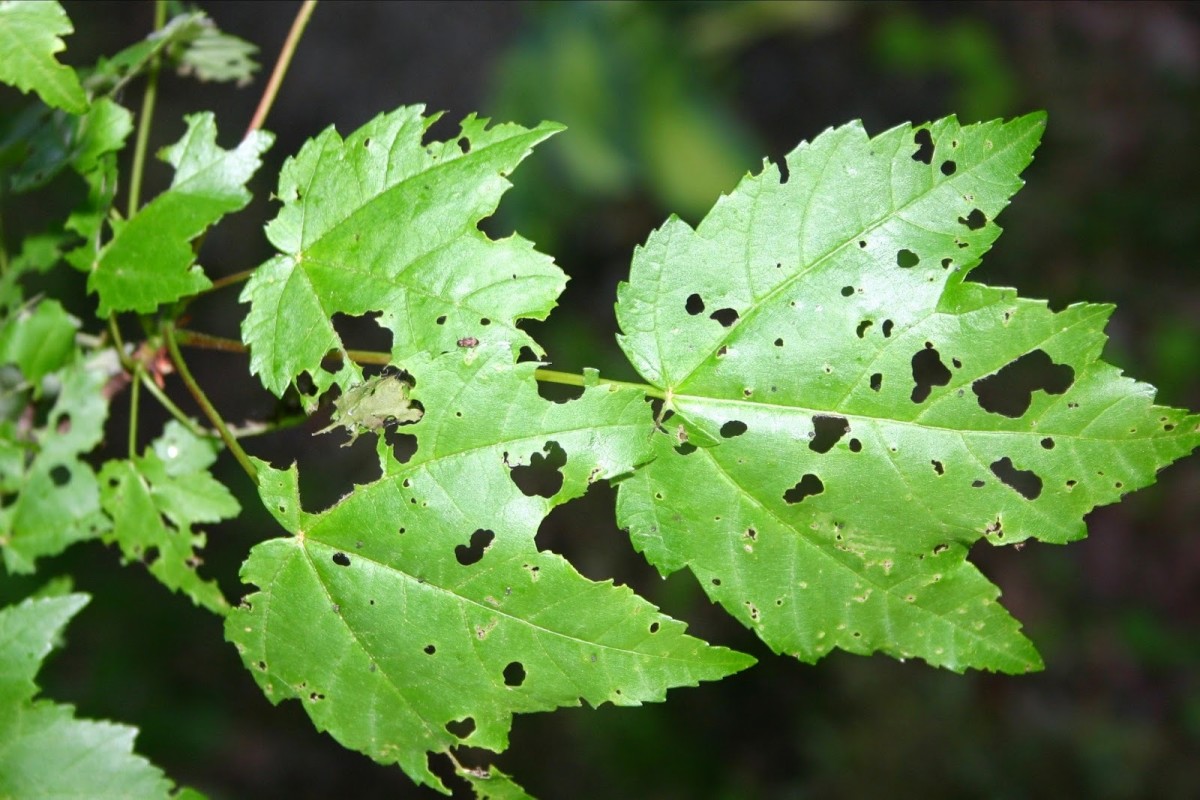
Plants bring life, colour, and tranquillity into our homes and gardens. Watching them grow is both reassuring and soothing. However, few things are as frustrating as discovering holes in the leaves. One day your plant is flourishing, and the next, its leaves may show signs of chewing, tearing, or damage. Many plant owners become anxious at this sight, wondering if they have done something wrong. Holes in leaves are one of the most common plant problems; yet, with the right observation techniques, they are actually effortless to identify and treat.
This article will guide you through everything you need to know about identifying and treating holes in plant leaves. You will learn what causes the damage, how to spot these signs early on, and how to protect your plants safely and easily. Whether you prefer houseplants, outdoor plants, or a mix of both, this article will help you feel more confident and better prepared.
Why Holes in Leaves Can Be a Sign of a Healthy Plant
One of the most disappointing realisations for novice plant owners is that even healthy plants can develop holes in their leaves. This can be confusing, as we often assume that plant damage is the result of improper care. In reality, however, plants exist in an environment teeming with insects, fluctuating weather conditions, and natural stressors. Tender leaves are rich in nutrients, making them attractive to various microorganisms. They are also highly sensitive to changes in their surroundings.
Plants are constantly growing, shedding old leaves to make way for new ones. During this process, they may sustain damage that looks severe but is, in fact, harmless. A single damaged leaf does not mean that the entire plant is unhealthy. This insight helps to alleviate anxiety and fosters a more relaxed approach to plant care.
How do holes appear in leaves?
Holes in leaves are typically caused by some form of physical damage to the leaf surface. The most common culprit is small insects feeding on the plant. These tiny pests gnaw on the leaves to eat or bore small holes into them to find a hiding place. These insects are difficult to spot, as they are usually active at night or hide behind the leaves.
Another common cause is environmental stress. Intense sunlight, dry air, rapid temperature fluctuations, and strong winds can all damage leaves. Your watering technique is also crucial; providing too much or too little water can cause leaves to become thin and brittle, making them more susceptible to damage. Sometimes, holes in leaves are simply the result of friction. Older leaves may become brittle and develop small tears as the plant diverts its energy toward growing new foliage.
Learn to Observe Your Plants Carefully
One of the most important skills in plant care is observation. Take the time to observe your plant carefully—rather than acting hastily—so that you can better understand what is going on. Examine both sides of the leaves in a well-lit area. Many small insects hide on the undersides of leaves, as they find a safe haven there.
Pay attention to the patterns in the damage. Are the holes round and small? Are the edges rough or smooth? New leaves may appear healthy, while older leaves show signs of damage. These subtle details all provide clues about what is happening to the plant. Observation enables you to make informed decisions rather than having to guess.
How the Environment Affects Leaf Health
The environment is crucial for plants. This is particularly true for houseplants, which thrive in environments that differ drastically from their natural habitats. Over time, air conditioning, heating, fans, and dry indoor air weaken the leaves. When leaves dry out, they become more brittle and break more easily.
Light is also a key factor. Too much direct sunlight scorches the leaves, causing them to dry out and eventually develop holes. Insufficient light makes leaves brittle and stunts growth. Balanced lighting helps plants develop stronger leaves that are more resistant to damage. Additionally, air circulation is crucial. Stagnant air encourages pest proliferation, whereas a gentle airflow promotes plant health and reduces stress.
New plant owners often struggle with this issue. Why?
Nowadays, an increasing number of people are choosing to keep plants in their homes. Social media, online plant shops, and interior design trends have made plant care both popular and accessible. While this trend is certainly a positive development, it also means that many beginners are learning how to care for plants for the very first time.
New plant owners are still figuring out the best watering techniques, specific light requirements, and what constitutes an optimal growing environment. It is perfectly normal to make a few minor mistakes during this learning phase. Plants are resilient and, with the right care, usually recover quickly. Holes in the leaves are often just part of the learning process—not a sign of failure.
Early Warning Signs Help You Spot Problems Quickly
Before holes actually appear in a plant, there are usually several subtle warning signs. Leaves may begin to curl slightly or appear thinner than usual. You might notice small spots, fine lines, or irregular edges. The growth of new leaves may slow down, or the leaves may lose their vibrant colour.
These early warning signs are crucial because they give you time to intervene before the damage spreads. By reacting quickly, you can prevent minor issues from escalating into major problems. By regularly inspecting your plants for changes, you can detect problems early on.
The First, Cautious Step to Protecting Your Plants
When you discover holes in the leaves, it is important to remain calm and proceed with caution. Gently wipe the leaves with a soft, damp cloth to remove dust and allow for a better inspection of the plant. Furthermore, remove any dead leaves so the plant can breathe and absorb light more effectively.
Removing severely damaged leaves helps the plant focus its energy on healthy growth. Ensure that you place your plant in a stable environment with adequate light and air circulation. Small improvements can yield significant benefits. These simple steps create a healthier growing environment without placing undue stress on the plant.
Mistakes That Can Worsen the Problem
A common mistake is reacting too hastily and making too many adjustments at once. Moving plants, altering watering habits, and applying multiple treatments simultaneously can overwhelm a plant. Rapid changes cause stress and slow down the recovery process.
Another mistake is ignoring the problem and expecting it to resolve itself. Small issues usually persist. By addressing them early on, you prevent more serious problems from developing later. Consistency is more important than perfection; plants thrive best with consistent, attentive care.
Regular Care Promotes Plant Recovery
Plants possess an inherent ability to recover once their environment improves. New leaves typically grow back strong and healthy as soon as you eliminate harmful factors. Although older leaves cannot repair themselves, they continue to provide support during the recovery period.
For robust growth, plants require balanced lighting, clean leaves, and regular watering—tailored, of course, to their specific needs. Eventually, you will see new shoots and leaves sprouting from damaged areas. Caring for plants requires patience. Recovery takes time, and consistent care facilitates this process.
Daily Care Habits: Their Role
Small daily habits have a significant impact on plant health. Take a moment each day to observe your plants and spot any changes early on. By occasionally rotating your plants, you ensure they receive even lighting, which promotes balanced growth.
Cleaning the surrounding area reduces dust and improves air quality. Regularly check the soil moisture to prevent both over- and underwatering. These simple habits lay the foundation for healthy plant growth. Over time, these habits will become second nature, making plant care easier and more enjoyable.
Simple Tools to Make Plant Care Easier
You don’t need expensive equipment to become a skilled plant carer. A spray bottle helps with cleaning leaves and keeping them hydrated. A soft brush or cloth makes inspecting your plants easier. Pots with drainage holes prevent waterlogging.
Adequate sunlight and a stable location also contribute to plant growth. Simple tools and proper placement can significantly improve plant health. Plant care doesn’t have to be complicated. Keep it simple; that way, you’ll stick with it and maintain your confidence.
How to Prevent Holes in Leaves
“The key to prevention is creating a healthy growing environment. By inspecting your plants regularly, you can detect problems early on. It is best to keep seedlings separate for a while to observe their growth before grouping them together.
Proper watering and adequate ventilation are also critical to sustaining healthy plants. Healthy plants are naturally resistant to many common diseases. The key to prevention lies in awareness and consistency—not striving for perfection.
Expectations Regarding the Recovery Period
Plants need time to recover. New leaves will grow slowly once you resolve the underlying cause of the damage. Observing the growth of new leaves is the best way to determine whether your care regimen is effective.
The rate of recovery varies from plant to plant, depending on the species and the growing environment. Plants require both time and patience to heal. Understanding this timeframe can help alleviate your concerns and allow you to enjoy the process of caring for your plant.
Conclusion
Holes in plant leaves may seem alarming at first, but they are usually just a sign that the plant requires a few adjustments. With patience, careful observation, and perseverance, you can effectively improve your plant’s health. With the right care, most plants will recover; they can return to health and continue to thrive.
Plant care is a process of learning and discovery. Every challenge helps you gain a deeper understanding of your plants and boosts your confidence. Over time—and with the experience you gain—you will find it becomes easier to tackle common issues and create a healthy growing environment for your plants.
FAQs
1. Why do holes appear in plant leaves at night?
While the plant owner sleeps, small insects are active at night, searching for food. As a result, new holes may appear the following morning.
2. Should I cut off damaged leaves?
Removing severely damaged leaves encourages the plant to focus its energy on new growth.
3. Can damaged plants still produce new leaves?
Yes, plants will regularly produce new leaves once conditions improve.
4. How often should I monitor my plants?
A simple daily check can help you detect minor issues early on and prevent them from developing into larger problems, thereby maintaining the plant’s health.
5. Does this scenario happen often with houseplants?
Yes, the leaves of houseplants can also become damaged, as the indoor environment differs from the natural environment outdoors.