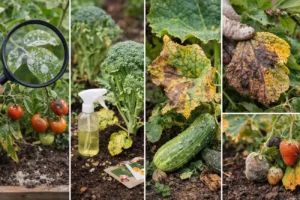
You walk past your plant, everything looks fine… but then you notice it—that unpleasant smell coming from the soil. It’s not just a mild earthy scent. It’s sour, musty, or even rotten.
At first, it’s easy to ignore. Maybe it’s just damp soil, right?
That’s exactly what I thought the first time it happened to me. I kept watering the plant, assuming it needed more care. But within a few days, the smell got worse—and the plant started showing signs of stress.
Here’s the truth: healthy soil should never smell bad. A foul odor is usually a warning sign that something is wrong below the surface.
In this guide, you’ll learn why plant soil smells bad, how to identify root rot early, and the exact steps to fix the problem before your plant suffers permanent damage.
What Healthy Soil Should Smell Like
Before we talk about bad smells, it’s important to understand what’s normal.
The Natural Earthy Smell
Healthy soil has:
- a fresh, earthy scent
- no sharp or sour odor
- balanced moisture
This smell comes from beneficial microbes working in the soil.
When the Smell Becomes a Problem
If your soil smells like:
- rotten eggs
- mold or mildew
- something sour or swampy
…it’s a clear sign that something is off.
Main Causes of Bad-Smelling Soil
Overwatering and Poor Drainage
Why It Causes Smell
Too much water fills the air pockets in soil, leaving roots without oxygen. This creates an environment where harmful bacteria thrive—and that’s what causes the smell.
Signs to Watch
- constantly wet soil
- water pooling on top
- yellowing leaves
Fix
- Stop watering immediately
- Let the soil dry out partially
- Improve drainage (holes, better soil mix)
If the issue is severe, this step-by-step guide on rescuing overwatered indoor plants (https://primehubio.com/how-i-rescue-overwatered-indoor-plants-quickly/) can help you recover your plant safely.
Root Rot (The Most Serious Cause)
What Is Root Rot?
Root rot happens when roots sit in wet soil for too long and begin to decay. The rotting roots release that strong, unpleasant smell.
Signs of Root Rot
- mushy, black or brown roots
- foul odor from soil
- drooping leaves despite wet soil
Fix
- Remove the plant from the pot
- Trim damaged roots carefully
- Repot in fresh, well-draining soil
If you’re unsure how to repot properly, this guide on repotting indoor plants without root damage (https://primehubio.com/repotting-indoor-plants-without-root-damage/) will help you avoid further stress.
Poor Soil Quality
Why Cheap or Old Soil Causes Problems
Low-quality soil:
- holds too much water
- lacks proper airflow
- breaks down quickly
This creates a perfect environment for odor-causing bacteria.
Fix
- Replace old soil with fresh mix
- Add materials like sand or perlite for drainage
- Avoid reusing contaminated soil
Lack of Airflow in Soil
What Happens Without Air
Roots need oxygen just like we do. When soil becomes compacted, airflow stops—and bacteria start producing bad smells.
Fix
- Loosen soil gently
- Avoid pressing soil too tightly
- Repot if compaction is severe
Organic Material Decomposing Improperly
Hidden Cause Many Beginners Miss
Sometimes people add kitchen scraps or organic matter directly into pots. If it doesn’t decompose properly, it starts rotting and smells bad.
Fix
- Only use well-decomposed compost
- Avoid raw organic waste in indoor pots
- Keep soil clean and balanced
[Insert image showing healthy roots vs rotting roots comparison]
Step-by-Step Fix for Smelly Soil
If your plant soil smells bad, follow this exact process:
Step 1: Stop Watering Immediately
Give the soil time to dry out. This alone can sometimes solve mild cases.
Step 2: Inspect the Soil Condition
- Is it soggy?
- Does it feel compacted?
- Is there visible mold?
Step 3: Check the Roots
Remove the plant and look for:
- black or mushy roots
- strong odor
Healthy roots should be firm and light-colored.
Step 4: Trim and Clean
If you find rot:
- cut off affected roots
- rinse healthy roots gently
Step 5: Repot in Fresh Soil
Use clean, well-draining soil to restart the plant’s environment.
Step 6: Adjust Watering Habits
Avoid going back to the same routine that caused the problem.
If you struggle with watering consistency, this guide on correct watering schedules for living room plants (https://primehubio.com/correct-watering-schedule-for-living-room-plants/) can help you build a better routine.
[Insert image showing repotting process with fresh soil]
Real Experience Section
In my experience, bad-smelling soil is something you notice late—but the problem starts much earlier.
I once had a plant that smelled slightly off, but I ignored it. I thought it was just normal damp soil. A few days later, the smell became strong, and when I checked the roots, they were already rotting.
What worked for me was acting quickly the next time I noticed even a slight odor. I stopped watering, checked the roots early, and avoided major damage.
One mistake I made was trying to “fix” the smell by adding more soil on top. That didn’t solve anything—it only hid the problem temporarily.
Common Mistakes to Avoid
- Watering without checking soil moisture
- Using pots without drainage holes
- Ignoring early signs of bad smell
- Adding raw organic waste to soil
- Reusing old, contaminated soil
Pro Tips for Preventing Soil Odor
Always Use Well-Draining Soil
Good soil prevents most problems before they start.
Let Soil Dry Between Watering
This keeps roots healthy and prevents bacterial growth.
Use the Right Pot Size
Oversized pots hold too much moisture, increasing the risk of rot.
Check Soil Regularly
Don’t wait for strong smells—catch issues early.
Maintain Overall Plant Health
Healthy plants are more resistant to problems. If you want to build better habits, this weekly plant care routine (https://primehubio.com/how-i-keep-indoor-plants-healthy-with-weekly-checks/) can help you stay consistent.
FAQs
Why does my plant soil smell like rotten eggs?
This usually happens due to lack of oxygen in the soil, often caused by overwatering or poor drainage.
Can bad-smelling soil kill my plant?
Yes, if left untreated, it can lead to root rot, which can severely damage or kill the plant.
Is it safe to reuse smelly soil?
No, it’s better to replace it completely, as harmful bacteria may still be present.
How often should I check my plant soil?
Check it at least once a week to monitor moisture levels and detect early signs of problems.
Can I fix the smell without repotting?
In mild cases, yes. Letting the soil dry and improving airflow may solve it. Severe cases require repotting.
Conclusion
Bad-smelling soil is never something to ignore. It’s your plant’s way of telling you that something is wrong beneath the surface.
Whether it’s overwatering, poor drainage, or root rot, the key is to act early and fix the root cause—not just the smell.
Start by adjusting your watering habits, check the roots if needed, and don’t hesitate to repot when the situation calls for it.
Once you understand what healthy soil should feel and smell like, you’ll catch problems faster—and your plants will reward you with steady, healthy growth.
A small change in care can make a big difference.