It usually starts with good intentions.
You want your plant to grow faster, look greener, and stay healthy—so you give it a little extra fertilizer. Maybe even a bit more than recommended, thinking it will help.
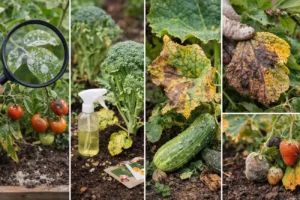
But a few days later, something feels off. The leaf tips turn brown. Edges start looking burnt. Growth slows down instead of improving.
I’ve made this mistake myself, and it’s frustrating because you’re trying to help, but end up harming the plant instead.
This condition is called fertilizer burn, and it’s more common than most beginners realize.
The good news? It’s fixable—if you act quickly.
In this guide, you’ll learn what fertilizer burn is, how to spot it early, why it happens, and exactly how to save your plants fast.
What Is Fertilizer Burn and Why Does It Happen
The Science Behind Fertilizer Burn
Fertilizers contain salts that provide nutrients. When too much fertilizer is added, these salts build up in the soil.
Instead of feeding the plant, excess salts:
- pull moisture away from roots
- damage root tissue
- block nutrient absorption
This creates a “burning” effect, especially on leaf edges.
Why Plants React So Quickly
Roots are sensitive. When the salt concentration becomes too high, plants struggle to take in water properly.
That’s why fertilizer burn often shows up suddenly—even if the plant looked fine before.
Signs of Fertilizer Burn
Leaf Tip Burn
What It Looks Like
- brown or crispy edges
- dry tips on leaves
- yellowing around burnt areas
This is usually the first visible sign.
White Crust on Soil
Salt Build-Up
You may notice:
- white residue on soil surface
- crust forming around pot edges
This is excess fertilizer salt accumulating.
Wilting Despite Moist Soil
Even if the soil is wet, the plant may:
- droop
- look dehydrated
This happens because damaged roots can’t absorb water properly.
Stunted Growth
Growth slows down or completely stops because the plant is under stress.
If you’re unsure whether the issue is fertilizer or something else, this guide on why indoor plants stop growing (https://primehubio.com/why-indoor-plants-stop-growing-5-real-causes-proven-fixes/) can help you compare different causes.
Main Causes of Fertilizer Burn
Over-Fertilizing
The Most Common Cause
Adding fertilizer too often or in high amounts leads to salt buildup.
Many beginners assume “more nutrients = faster growth,” which is not true.
Using Strong Fertilizer Without Dilution
Some fertilizers are concentrated and need to be diluted.
Using them directly can overwhelm the plant.
Fertilizing Dry Soil
Applying fertilizer to dry soil makes it more intense and damaging.
It should always be applied to slightly moist soil.
Lack of Proper Drainage
If excess salts can’t drain out, they stay in the soil and keep damaging roots.
Repeated Feeding Without Flushing
Over time, salts accumulate if the soil is never flushed with plain water.
Step-by-Step Guide to Fix Fertilizer Burn Fast
Step 1: Stop Fertilizing Immediately
This prevents further damage and gives the plant a chance to recover.
Step 2: Flush the Soil Thoroughly
- Take the plant to a sink or outdoor area
- Pour clean water slowly through the soil
- Let water drain completely
Repeat this 2–3 times to remove excess salts.
Step 3: Trim Damaged Leaves
- Remove severely burnt leaves
- Keep slightly damaged ones (they still help the plant)
This helps the plant focus energy on recovery.
Step 4: Check the Roots (If Severe)
If the plant is badly affected:
- remove it from the pot
- inspect roots for damage
If roots look unhealthy, consider repotting. This guide on repotting indoor plants safely (https://primehubio.com/repotting-indoor-plants-without-root-damage/) can help you avoid further stress.
Step 5: Replace Soil if Needed
If salt buildup is heavy:
- use fresh, well-draining soil
- discard old contaminated soil
Step 6: Adjust Future Feeding
When you resume fertilizing:
- use half the recommended dose
- fertilize less frequently
If you’re unsure about proper feeding habits, this simple guide on fertilizing plants correctly (https://primehubio.com/simple-fertilizing-tips-for-new-garden-plants/) can help you avoid repeating the mistake.
[Insert image showing leaf tip burn caused by fertilizer]
Understanding the Recovery Process
What Happens After Fixing the Problem
Once excess salts are removed:
- roots slowly recover
- new growth starts forming
- damaged leaves won’t heal, but new ones will be healthy
How Long Recovery Takes
Most plants show improvement within:
- 1–3 weeks for mild cases
- longer for severe damage
Patience is important here.
What I Learned the Hard Way
I used to think fertilizer was the “secret shortcut” to fast plant growth.
One time, I added fertilizer twice in the same week because my plant looked a bit dull. Within days, the leaf tips started browning, and I couldn’t figure out why.
What worked for me was flushing the soil thoroughly and stopping fertilizer completely for a while. It took about two weeks, but new leaves started coming in healthy again.
One mistake I made was not reading the instructions properly. I used full-strength fertilizer when it should have been diluted.
Since then, I’ve learned that less is often better when it comes to feeding plants.
Common Mistakes to Avoid
- Using more fertilizer than recommended
- Fertilizing too frequently
- Applying fertilizer to dry soil
- Ignoring early signs like leaf tip burn
- Not flushing soil occasionally
Pro Tips to Prevent Fertilizer Burn
Always Dilute Fertilizer
Even if instructions say full strength, using a slightly diluted mix is safer.
Feed During Active Growth Only
Avoid fertilizing when plants are dormant or growing slowly.
Water Before Fertilizing
Moist soil reduces the risk of root damage.
Use a Balanced Feeding Schedule
Don’t fertilize every time you water. Space it out properly.
Keep Soil Healthy
Healthy soil reduces stress and improves nutrient absorption. If you want to improve your soil naturally, this guide on preparing garden soil at home (https://primehubio.com/how-to-prepare-garden-soil-at-home-no-expensive-tools-needed/) is very helpful.
[Insert image showing healthy plant with vibrant green leaves after recovery]
FAQs
Can fertilizer burn kill a plant?
Yes, in severe cases it can damage roots beyond recovery. But if caught early, most plants can be saved.
Should I remove all burnt leaves?
Only remove severely damaged ones. Slightly affected leaves can still help the plant recover.
How often should I fertilize indoor plants?
Usually every 2–4 weeks during active growth, but it depends on the plant type and conditions.
Can I reuse soil after fertilizer burn?
It’s better to replace or flush it thoroughly, as excess salts may still remain.
Is organic fertilizer safer?
It’s generally milder, but overuse can still cause problems if not used properly.
Conclusion
Fertilizer burn is one of those problems that happens when you’re trying to do the right thing—but just a little too much.
The key is understanding that plants don’t need constant feeding—they need balanced care.
If you notice early signs like leaf tip burn or salt buildup, act quickly:
- stop fertilizing
- flush the soil
- give your plant time to recover
Once you adjust your approach, your plant will bounce back—and you’ll have a much better understanding of how to care for it properly.
In the long run, smart, moderate care always beats overdoing it.