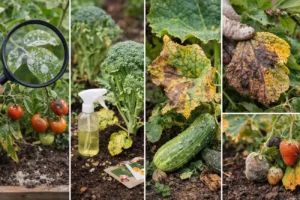
You’re checking your plants like you usually do, and suddenly you notice something strange—holes in the leaves. Not just one or two, but several. Some look clean and round, others are jagged, and a few leaves look like something has been chewing through them overnight.
At this point, most people ask the same question: Is this a pest problem, or is my plant sick?
The confusion is completely normal. Holes in leaves can be caused by insects, diseases, or even environmental stress. The tricky part is that each cause needs a different solution. If you treat a disease like a pest problem (or the other way around), you can actually make things worse.
In this guide, I’ll help you clearly identify what’s causing the damage and show you exactly how to fix it—step by step.
Understanding the Real Causes of Holes in Plant Leaves
Before jumping into solutions, it’s important to understand why this happens. Most leaf holes fall into two main categories: pest damage and disease-related damage.
Pest Damage: The Most Common Cause
Chewing Insects
Insects like caterpillars, beetles, and grasshoppers physically eat the leaves. This results in visible holes or missing sections.
Night Feeders
Some pests (like slugs and snails) feed at night, so you may never see them during the day.
Small Sap-Sucking Pests
While these don’t always create holes directly, they weaken leaves, making them more prone to tearing or damage.
Disease-Related Damage
Fungal Infections
Certain fungal diseases start as spots and eventually cause the affected tissue to die and fall out, leaving holes.
Bacterial Leaf Spots
These create dark spots that later dry and break away, forming irregular holes.
If you’ve also noticed unusual spots along with holes, it’s worth understanding how to identify brown spots on plant leaves, as both issues are often connected.
How to Tell the Difference (Pest vs Disease)
This is the most important step. Once you identify the cause correctly, the solution becomes much easier.
Signs of Pest Damage
Irregular or Chewed Edges
Holes look uneven, torn, or “eaten.”
Visible Insects or Droppings
You may spot pests, eggs, or tiny black droppings on leaves.
Damage Appears Quickly
Leaves can go from healthy to damaged overnight.
Signs of Disease Damage
Circular or Patterned Holes
Holes may look more uniform or start as spots.
Yellow or Brown Borders
The area around the hole often looks discolored.
Slower Spread
Disease damage usually spreads gradually compared to pests.
[Insert image showing pest-damaged leaves vs disease-damaged leaves]
Step-by-Step Fix Based on the Cause
Now let’s fix the problem properly based on what you’re dealing with.
If It’s Pest Damage
Step 1: Inspect Your Plant Thoroughly
Check both sides of leaves, stems, and soil. Look for insects, eggs, or webbing.
Step 2: Remove Visible Pests
- Pick them off by hand
- Use a soft brush or cloth
- Wash leaves with mild soapy water
Step 3: Apply Natural Treatments
- Neem oil spray
- Garlic or chili spray
- Mild soap solution
Apply every few days until the problem is under control.
Step 4: Protect Your Plants
- Use mesh covers if needed
- Keep the area clean
- Avoid overcrowding
If your plants are already weak, pests attack more aggressively. That’s why maintaining overall plant health is important. For example, following simple fertilizing tips for new garden plants can make them more resistant to pest attacks.
If It’s Disease Damage
Step 1: Remove Affected Leaves
Cut off damaged leaves carefully to stop the spread.
Step 2: Improve Airflow
- Space plants apart
- Avoid humid, closed environments
Step 3: Adjust Watering Habits
Water at the base instead of wetting leaves. Morning watering is best.
Step 4: Use Fungicide (If Needed)
Natural options like baking soda sprays can help in early stages.
If you’re noticing multiple issues like discoloration along with holes, it may indicate a bigger care problem. In such cases, reviewing your overall indoor plant care routine can help fix the root cause.
[Insert image showing healthy vs damaged leaves after treatment]
What I Noticed From My Own Gardening Mistakes
Over time, I’ve realized that holes in leaves are rarely just “bad luck.” They usually happen when something in the plant’s environment is slightly off.
One mistake I made early on was ignoring tiny holes, thinking they were harmless. Within a week, the damage spread across multiple plants. When I finally checked closely, I found small caterpillars hiding under the leaves.
Another time, I treated a fungal issue like a pest problem. I kept spraying neem oil, but nothing improved. Later, I realized the issue was actually poor airflow and excess humidity.
What worked for me in the long run was simple:
- Regular inspection
- Better spacing between plants
- Consistent care routine
I also started doing weekly plant checks, which made it much easier to catch problems early before they got out of control.
Common Mistakes to Avoid
- Ignoring early signs of damage
- Assuming all holes are caused by pests
- Overusing chemical sprays
- Watering leaves instead of soil
- Not checking the underside of leaves
- Treating without identifying the cause
Avoiding these mistakes alone can save most of your plants.
Pro Tips for Healthy, Damage-Free Leaves
Keep a Weekly Inspection Habit
Check leaves closely once a week. This is the easiest way to prevent major damage.
Strengthen Plant Health
Healthy plants are naturally more resistant to pests and diseases.
Use Preventive Sprays Occasionally
A light neem oil spray every few weeks can help prevent infestations.
Maintain Clean Growing Conditions
Remove dead leaves and debris regularly.
Avoid Stress Conditions
Sudden changes in watering, light, or temperature can weaken plants and make them more vulnerable.
Long-Term Prevention Strategy
Fixing the problem once is good, but preventing it completely is better.
Focus on Balanced Care
- Proper watering
- Adequate sunlight
- Good soil quality
Avoid Overcrowding
Give each plant enough space to breathe and grow.
Monitor Environmental Conditions
Humidity, airflow, and temperature all play a role.
Choose the Right Plants
Some plants are naturally more resistant and easier to manage, especially if you’re a beginner.
If you’re just starting or want low-risk options, choosing low-effort plants for beginners can reduce the chances of dealing with problems like this.
FAQs
Are holes in leaves always caused by pests?
No, not always. While pests are the most common cause, diseases and environmental stress can also create holes.
Should I remove damaged leaves?
Yes, especially if the damage is severe or spreading. It helps prevent further issues and keeps the plant focused on healthy growth.
Can plants recover from leaf damage?
Yes, new growth will be healthy if the issue is fixed. Damaged leaves won’t heal, but they won’t harm the plant once the problem is controlled.
How fast do pests spread?
Very quickly. Some pests can damage multiple leaves in just a few days, especially if not treated early.
Is neem oil safe for all plants?
Generally yes, but always test on a small area first to avoid leaf burn or sensitivity issues.
Conclusion
Holes in plant leaves can look worrying, but they’re actually one of the easier problems to fix—if you identify the cause correctly.
The key difference comes down to this:
- Irregular, fast damage → likely pests
- Patterned, slow damage → likely disease
Once you know what you’re dealing with, the solution becomes simple and effective.
More importantly, this issue is often a signal. It tells you something about your plant’s environment or care routine that needs improvement. Instead of just fixing the damage, focus on strengthening your plant’s overall health.
With regular checks, proper care, and a little attention to detail, you’ll not only fix the problem—you’ll prevent it from coming back.