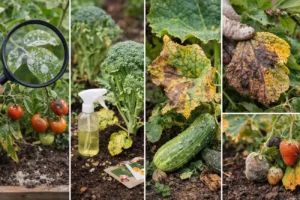
One morning, I walked past my indoor plant collection and noticed something alarming—one of my favorite houseplants had lost its vibrant green color. The leaves looked pale, almost washed out, and some were beginning to yellow at the edges. At first, I panicked. I wondered if I had done something wrong or if the plant was beyond saving.
Over time, I realized that leaf discoloration is one of the most common signs that a plant is under stress. Plants that lose their color are often reacting to factors like nutrient deficiencies, improper light, inconsistent watering, or pest infestations. The good news is that in most cases, fading leaves can be revived if you take prompt and proper action.
The key is observing the plant carefully, understanding the cause of the discoloration, and providing the right corrective measures. By paying close attention, even a plant that seems to be struggling can regain its vibrant hues.
Understanding Why Plants Lose Color
Before I could fix the problem, I needed to understand why plants lose their color. I learned that leaf color is not just about beauty; it reflects the plant’s overall health. Chlorophyll—the green pigment in leaves—plays a crucial role in photosynthesis, helping the plant produce energy from sunlight. When leaves lose color, it often indicates that something is disrupting this process.
Here are the main reasons plants may lose color:
- Nutrient deficiencies: Lack of essential nutrients like nitrogen, magnesium, or iron can cause yellowing or pale leaves.
- Improper light exposure: Plants may fade if they receive too little or too much light. Low light can cause leaves to pale, while intense direct sunlight can scorch leaves.
- Overwatering or underwatering: Both extremes can stress plants and result in discoloration.
- Pests and diseases: Tiny insects, fungal infections, or bacterial issues can damage leaves and sap color.
- Temperature stress: Cold drafts or excessive heat can affect leaf pigmentation.
Once I understood the possible causes, I could approach the problem more strategically rather than guessing what to do.
Conducting a Close Plant Inspection
The first step in my rescue process is always a close inspection. I examine the plant from top to bottom, paying attention to details that could indicate the underlying issue.
During my inspections, I focus on:
- Leaf color patterns: Are the leaves uniformly pale, or are there patches? Patchy discoloration may indicate pest or disease problems.
- Leaf texture: Soft or brittle leaves may signal overwatering or underwatering.
- Stem condition: Weak or discolored stems can indicate systemic problems.
- Soil moisture: I check the soil’s dampness to determine whether watering habits need adjustment.
- Roots (if necessary): If discoloration is severe, I sometimes gently remove the plant from its pot to inspect the roots for rot or damage.
These observations help me pinpoint the exact cause and tailor my rescue efforts effectively.
Adjusting Light Conditions for Color Recovery
Light is one of the most critical factors affecting plant color. During my early indoor gardening days, I made the mistake of placing all plants near a north-facing window, assuming indirect light would be enough. I quickly learned that plants have specific light requirements that directly affect leaf color.
If leaves are pale, it often means the plant isn’t getting enough light. Conversely, if leaves are scorched or show brown patches, the light may be too intense.
To correct light-related color loss, I follow these steps:
- Move low-light plants closer to natural sunlight or provide supplemental grow lights.
- Filter intense sunlight with sheer curtains or reposition plants away from direct midday sun.
- Rotate plants weekly to ensure even light exposure on all leaves.
Small adjustments in lighting often lead to noticeable improvements in leaf color within a few weeks.
Correcting Nutrient Deficiencies
When plants lose color, nutrient deficiencies are often the culprit. I discovered that certain nutrients play specific roles in maintaining leaf vibrancy:
- Nitrogen: Promotes overall leaf greenness. A lack of nitrogen often results in uniformly pale leaves.
- Magnesium: Supports chlorophyll production; deficiency can cause yellowing between leaf veins.
- Iron: Essential for young leaves; iron deficiency can cause yellowing while leaf veins remain green.
- Potassium: Contributes to leaf health and strong coloration.
To address deficiencies, I typically use a balanced, water-soluble fertilizer for indoor plants. For severe cases, I apply targeted supplements such as iron chelate or magnesium sulfate.
It’s important to avoid over-fertilizing, as excessive nutrients can burn roots and worsen the problem.
Watering Practices That Protect Leaf Color
Improper watering is a leading cause of color loss in indoor plants. I learned that both overwatering and underwatering can stress plants, leading to pale or yellow leaves.
Here’s my approach to watering:
- Check soil before watering: I always insert my finger about an inch into the soil to see if it’s dry or damp.
- Adjust watering frequency: I water less often in winter when plants grow slower and more frequently in spring and summer.
- Ensure proper drainage: Pots with drainage holes prevent water from pooling, which protects roots and maintains healthy leaf color.
- Avoid waterlogging: I never let plants sit in standing water, as this can cause root rot and yellow leaves.
Following these practices ensures that plants receive the right amount of water for vibrant, healthy leaves.
Removing Damaged Leaves
One simple but effective step I take during rescue is trimming damaged or discolored leaves. Dead or severely yellowed leaves do not recover and can drain energy from the plant.
I use clean, sharp scissors to remove leaves close to the stem. This has several benefits:
- Encourages the plant to focus energy on healthy leaves
- Reduces the risk of disease spreading
- Improves overall plant appearance
I always leave enough healthy leaves so the plant can photosynthesize and recover fully.
Checking for Pests and Diseases
Pests and diseases can also cause plants to lose color. I inspect leaves and stems for small insects, webbing, sticky residue, or unusual spots. Common indoor pests include aphids, spider mites, and mealybugs.
If I spot pests, I take action immediately:
- Wipe leaves with a damp cloth or rinse under gentle water spray
- Use natural insecticidal sprays if necessary
- Quarantine affected plants to prevent infestation of others
Early intervention usually stops further damage and allows leaves to regain their color.
Repotting When Necessary
Sometimes, plants lose color because they are root-bound or stuck in poor soil. I have rescued many struggling plants by carefully repotting them.
Steps I follow for repotting include:
- Gently remove the plant from its current pot
- Inspect roots for signs of rot or overcrowding
- Trim damaged roots
- Use fresh, well-draining potting mix suitable for the specific plant
- Repot in a slightly larger container if needed
Repotting provides fresh nutrients and better soil aeration, which encourages vibrant leaf growth.
Using Supplemental Light and Heat
Indoor plants sometimes fade due to seasonal changes, particularly in winter when sunlight is weak. In such cases, I supplement with grow lights to maintain proper leaf color.
- Position the light about 12–18 inches above the plant
- Use full-spectrum bulbs to mimic natural sunlight
- Keep lights on for 10–12 hours daily for maximum benefit
I also ensure that indoor temperatures remain consistent. Sudden cold drafts or overheating from heaters can stress plants and affect pigmentation.
Fertilizing Strategically for Color Restoration
After addressing water, light, and pests, I sometimes use a mild fertilizer to boost plant recovery. Fertilizer helps provide essential nutrients needed for chlorophyll production and overall leaf health.
For color restoration, I:
- Choose a balanced indoor plant fertilizer or one formulated for leafy plants
- Apply at half the recommended strength during recovery
- Fertilize only once every 2–3 weeks to avoid overwhelming the plant
Over time, nutrient-rich soil combined with proper care brings back deep, vibrant leaf colors.
Monitoring Recovery Progress
Once I implement corrective steps, I closely monitor the plant over the next few weeks. Recovery signs include:
- New leaves with rich green color
- Improved leaf firmness
- Gradual reduction in yellow or pale leaves
- Overall healthier appearance
Patience is essential. Some plants recover quickly, while others may take several weeks to regain full color. Consistency in care is key.
Maintaining a Long-Term Healthy Routine
Preventing color loss is easier than rescuing plants repeatedly. I maintain a long-term care routine that keeps leaves vibrant year-round:
- Weekly inspections for soil moisture, pests, and leaf condition
- Rotating plants for balanced light exposure
- Regular, appropriate watering
- Periodic light feeding with fertilizer
- Repotting every 1–2 years to refresh soil and encourage strong roots
This consistent routine ensures my indoor plants thrive and maintain their natural color without frequent issues.
Personal Lessons Learned
Rescuing plants that lose color taught me valuable lessons about indoor gardening:
- Observation is more important than following rigid schedules
- Plants communicate their needs through leaves, stems, and roots
- Early intervention prevents minor problems from becoming irreversible
- Simple adjustments in light, water, and nutrients often bring dramatic results
With patience, attention, and consistent care, even the most struggling plants can regain their vibrancy.
Conclusion
Plants that are losing color are often signaling stress. The most effective way to rescue them is to identify the underlying cause—whether it’s light, water, nutrients, pests, or soil—and take immediate action. By carefully inspecting plants, adjusting care practices, removing damaged leaves, and providing proper nutrition and lighting, most indoor plants can recover their vibrant hues.
Consistent monitoring and weekly care checks not only restore lost color but also prevent future problems. Over time, these habits help cultivate strong, resilient plants that thrive indoors and bring beauty and life to your home. Patience, observation, and thoughtful interventions are the keys to turning pale, struggling plants into healthy, colorful foliage.
FAQs
1. Why are my indoor plants turning pale?
Plants often turn pale due to nutrient deficiencies, insufficient light, overwatering, or pest damage. Identifying the cause is essential for recovery.
2. How long does it take for a plant to regain its color?
Recovery time depends on severity. Mild cases may improve within weeks, while severe cases may take several months.
3. Should I trim all pale leaves immediately?
Trim only severely damaged leaves. Healthy or partially discolored leaves help the plant photosynthesize and recover.
4. Can artificial grow lights help restore leaf color?
Yes, full-spectrum grow lights provide the necessary energy for photosynthesis and can improve leaf color when natural sunlight is insufficient.
5. How can I prevent plants from losing color in the future?
Maintain proper lighting, consistent watering, occasional fertilization, and weekly inspections. Monitoring soil and leaf health prevents most color loss.