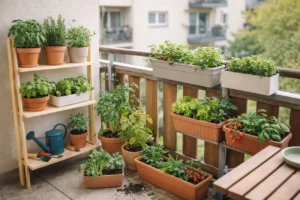
I never thought a balcony could be so unforgiving. My little outdoor space looked perfect: pots lined up neatly, herbs, flowers, and a couple of vegetables thriving—or so I thought. Then came the heat. One morning, I noticed my basil leaves curling, spinach wilting, and soil cracking in the sun. My carefully planted balcony garden was slowly dying.
I realized the problem wasn’t neglect—it was the sun. My balcony faces direct sunlight for most of the day, turning my soil into dry dust within hours. I tried watering more frequently, but that led to soggy pots, wasted water, and even more stress. Over several weeks, with trial, error, and a lot of frustration, I learned how to stop balcony soil from drying so fast. I’m sharing my experience here, not as a gardener giving advice, but as someone who struggled, failed, and finally figured it out.
Understanding Why Balcony Soil Dries So Quickly
At first, I thought soil was supposed to dry out a little. But my balcony soil wasn’t just dry—it was parched. I did some digging, literally and figuratively, to understand why.
1. Direct Sun Exposure
My balcony gets sunlight from mid-morning until evening. That relentless sun heats up the soil and causes rapid evaporation.
2. Shallow Containers
I was using shallow pots for flowers and herbs. Shallow soil warms and dries faster than deeper soil.
3. Wind Exposure
Balconies are often exposed to wind. Even a mild breeze accelerates moisture loss.
4. Poor Soil Composition
Initially, I used garden soil I had lying around. It compacted quickly and didn’t retain water. Dry crusts formed on top, and water just ran off the sides instead of soaking in.
Once I identified these factors, I knew I had to tackle each one, or my balcony garden would never survive summer.
Choosing the Right Soil Mix
The first thing I changed was the soil. I realized that regular garden soil is almost useless for container gardening, especially on balconies.
What Worked for Me
- Lightweight Potting Mix: I switched to a quality potting mix designed for containers. It holds moisture without becoming soggy.
- Adding Coco Coir: Coco coir retains water and releases it slowly. This was a game-changer.
- Perlite for Drainage: Too much water retention can cause root rot. Perlite keeps soil aerated while maintaining moisture balance.
- Compost for Nutrients: My plants weren’t just surviving—they were thriving with extra organic matter.
After mixing these components, the soil stayed moist for hours longer, even in strong sunlight.
Using Mulch to Lock in Moisture
I had seen mulch in gardens but never thought it mattered on a balcony. I was wrong.
How Mulch Helped Me
- Reduced evaporation: A layer of organic mulch kept the sun from hitting soil directly.
- Prevented crusting: Soil stayed soft and easy to water.
- Added nutrients: Over time, the mulch decomposed, feeding my plants naturally.
I used shredded leaves and bark from a local garden store. It was cheap, effective, and kept the balcony looking neat.
Selecting the Right Containers
Container choice turned out to be more important than I expected.
Key Adjustments I Made
- Deeper pots for vegetables: Shallow containers were drying too quickly. Deeper ones held moisture longer.
- Light-colored pots: Dark pots absorb heat and dry soil faster. Switching to beige and terracotta containers helped.
- Proper drainage: Pots with holes plus trays prevented water from running straight out while keeping roots healthy.
I also elevated some pots using small feet to allow airflow beneath. Surprisingly, this reduced soil cracking.
Watering Techniques That Worked
Before I learned the right technique, I was overwatering or underwatering, sometimes both on the same day. I had to rethink my approach.
1. Water in the Morning
I started watering in the early morning. This gave soil a chance to absorb water before the sun evaporated it.
2. Water Slowly and Deeply
Instead of dumping water all at once, I poured slowly, letting it seep in gradually. I could feel the soil soak evenly without runoff.
3. Check Moisture Levels
I started using my finger as a simple soil moisture test. If the top inch was dry, I watered. If it still felt damp, I waited.
This slow, measured approach drastically reduced soil drying.
Using Self-Watering Containers
After repeated failures, I invested in self-watering containers for some herbs and vegetables.
Benefits I Noticed
- Reservoir keeps water available longer
- Plants draw only what they need
- Reduced daily watering stress
Initially, I resisted the idea, thinking it was unnecessary. Now I can’t imagine going back—especially during hot, dry weeks.
Creating Partial Shade
I realized that even heat-tolerant plants benefit from a little protection.
Shade Solutions I Used
- Shade cloth: A 30–40% cloth made a huge difference during peak heat hours.
- Tall companion plants: I positioned lettuce and spinach behind taller tomatoes. They created natural filtered sunlight.
- Wall reflections: Placing containers near walls that reflect sunlight reduced direct exposure slightly.
By creating micro-shade zones, soil stayed damp longer, and plants were less stressed.
Mulching with Stones for Succulents and Herbs
For plants that didn’t like organic mulch, I experimented with small stones and pebbles.
Benefits
- Reduced evaporation
- Prevented soil from splashing during watering
- Kept the pot surface cooler under sun
This simple trick kept oregano, thyme, and rosemary healthier during the hottest weeks.
Regular Maintenance to Keep Soil Moist
Moisture retention isn’t a one-time fix. I learned that consistent attention is necessary.
My Routine
- Check trays daily
- Remove debris that blocks water absorption
- Replenish mulch every 2–3 weeks
- Monitor for compaction and aerate soil lightly
Even with all precautions, soil dries if left unattended. Routine checks were critical.
Preventing Wind Damage That Dries Soil
Strong balcony winds were a hidden culprit. Pots with exposed soil lost moisture faster.
Solutions I Used
- Grouping pots together reduced direct wind on individual soil surfaces
- Using windbreaks like trellises or railing screens slowed evaporation
- Heavier pots resisted tipping, keeping soil intact
This small adjustment made my soil stay moist longer, especially in mid-summer.
What I Learned About Watering Frequency
I used to think watering every day was necessary. That wasn’t the case.
Adjusted Schedule
- Cool, cloudy days: every 2–3 days
- Hot, sunny days: daily, but small amounts
- Morning only, never in the evening
Over time, I could tell the soil’s needs by feel and plant appearance rather than guessing.
Conclusion
Stopping balcony soil from drying fast took time, mistakes, and careful observation. I had to rethink almost everything I did: soil, containers, watering, shading, and even balcony layout. The combination of:
- Well-balanced potting mix
- Mulch or stone cover
- Morning, slow watering
- Shade during peak sun
- Routine maintenance
…transformed my balcony into a green, thriving space. No more parched pots or curling leaves.
If you’re struggling with rapid soil drying on a sunny balcony, these strategies can make a huge difference. My advice comes from experience—balcony soil can be challenging, but with persistence, you can keep your plants happy and healthy.
FAQs
1. Why does balcony soil dry faster than garden soil?
Balcony soil is exposed to direct sun, wind, and shallow container conditions. It loses moisture more quickly than in-ground gardens.
2. Can mulch really help keep soil moist on a balcony?
Yes. Mulch reduces evaporation, keeps soil cooler, and prevents surface crusting.
3. Are self-watering pots necessary for sunny balconies?
Not necessary, but highly helpful. They reduce daily watering stress and provide consistent moisture.
4. How often should I water pots on a sunny balcony?
Check soil daily. Water in the morning and adjust frequency based on temperature, sunlight, and plant needs.
5. What soil is best for balcony containers to retain moisture?
A mix of lightweight potting soil, coco coir, perlite, and compost retains water while providing drainage and nutrients.