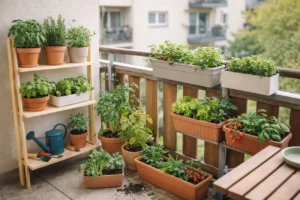
I still remember the first time I tried growing salad greens on my small balcony. I had this idea of picking fresh leaves every morning, but within a couple of weeks, things went downhill—some plants grew unevenly, others wilted, and a few never even sprouted. It felt frustrating because salad greens are supposed to be “easy,” right?
The truth is, growing salad greens in balcony pots is beginner-friendly—but only if you follow the right method. Small spaces, limited soil, and changing weather conditions can make things tricky. The good news? Once you understand a few simple principles, you can grow fresh, healthy greens consistently—even on the smallest balcony.
In this guide, I’ll walk you through exactly how to do it, step by step, in a way that actually works in real-life conditions.
Why Growing Salad Greens in Pots Can Be Tricky
Limited Soil Space
Unlike garden beds, pots have limited soil. This means:
- Less room for roots to grow
- Faster drying of soil
- Nutrients get used up quickly
Because of this, even small mistakes (like overwatering or poor soil mix) show up faster.
Balcony Microclimate
Balconies create their own environment:
- More wind exposure
- Strong reflected sunlight from the walls
- Faster temperature changes
These factors can stress delicate greens like lettuce or spinach.
Watering Challenges
In pots, watering is not forgiving. Too much leads to root rot, too little causes wilting. If you’re unsure about balancing this, you can also check my guide on correcting watering schedules for living room plants.
Choosing the Right Salad Greens
Best Beginner-Friendly Options
Start with greens that grow quickly and tolerate small mistakes:
- Lettuce (loose leaf varieties)
- Spinach
- Arugula
- Mustard greens
- Fenugreek (methi)
These are fast growers and perfect for balcony setups.
Why These Work Well
- Shallow root systems (ideal for pots)
- Quick harvest (2–4 weeks in many cases)
- Regrow after cutting (cut-and-come-again method)
Setting Up Your Balcony Garden
Choosing the Right Pots
You don’t need fancy containers. Simple pots work if they have:
- Drainage holes
- At least 6–8 inches depth
- Wide surface area (more important than depth for greens)
Rectangular planters are especially useful for maximizing space.
Soil Preparation Matters
Good soil is everything. Your mix should be:
- Light and airy
- Well-draining
- Rich in organic matter
A simple mix:
- 50% garden soil
- 30% compost
- 20% sand or cocopeat
If you want a deeper understanding, you can read my detailed guide on preparing garden soil at home without expensive tools.
Step-by-Step Guide to Growing Salad Greens in Balcony Pots
1. Fill Your Pots Properly
- Add a layer of small stones at the bottom (optional but helpful)
- Fill with prepared soil mix
- Leave about 1 inch space at the top
2. Sow Seeds Correctly
- Sprinkle seeds evenly (don’t overcrowd)
- Cover lightly with soil (very shallow for small seeds)
- Gently press soil—don’t compact it
3. Water Gently
- Use a spray bottle or light watering
- Keep soil moist, not soggy
- Avoid flooding the pot
4. Place in the Right Light
- 4–6 hours of sunlight is ideal
- Morning sun works best
- Avoid harsh afternoon heat if possible
5. Thin the Seedlings
Once seedlings grow:
- Remove weaker ones
- Keep proper spacing (2–3 inches apart)
This helps stronger plants grow faster.
6. Start Feeding Lightly
After 2 weeks:
- Use mild liquid fertilizer or compost tea
- Feed once every 10–14 days
You can also check out simple fertilizing tips for new garden plants for better results.
7. Harvest Smartly
- Start cutting outer leaves first
- Don’t uproot the whole plant
- Let the center continue growing
This gives you multiple harvests from the same plant.
What I Learned the Hard Way (And What Actually Works)
In my experience, the biggest mistake I made was overwatering. I thought more water meant faster growth, but instead, my plants became weak and yellow.
What worked for me was:
- Checking soil moisture with my finger
- Watering only when the top inch felt dry
- Keeping a simple weekly routine
Another mistake I made was overcrowding seeds. It looked great at first—lots of seedlings—but they ended up competing and growing poorly.
Once I started giving proper spacing, the difference was huge. The plants became healthier, bigger, and easier to manage.
Common Mistakes to Avoid
- Planting seeds too deep (they struggle to sprout)
- Overwatering or letting soil stay soggy
- Using heavy, compact soil
- Ignoring sunlight requirements
- Not thinning seedlings
- Harvesting too early or too aggressively
Avoiding these alone can double your success rate.
Pro Tips for Better Growth
- Rotate pots every few days for even sunlight
- Grow in batches every 2 weeks for continuous harvest
- Use shallow, wide containers instead of deep narrow ones
- Mist leaves lightly during very hot days
- Add mulch (like dry leaves) to retain moisture
If you’re short on time or worried about maintenance, you can also explore low-effort plants for beginners that survive even if you forget them.
FAQs
How long does it take to grow salad greens in pots?
Most salad greens grow quickly. You can start harvesting in 3–4 weeks, depending on the variety and conditions.
Can I grow salad greens without direct sunlight?
They need at least 4 hours of light. If direct sunlight isn’t available, place them in the brightest spot possible.
How often should I water balcony greens?
Water when the top inch of soil feels dry. In hot weather, this may be daily; in cooler conditions, every 2–3 days.
Do I need fertilizers for salad greens?
Yes, but in small amounts. Light feeding every 10–14 days helps maintain healthy growth without overloading the soil.
Can I reuse soil for the next batch?
Yes, but refresh it with compost and loosen it before planting again to restore nutrients and structure.
Conclusion
Growing salad greens on your balcony doesn’t require a big space, expensive tools, or years of experience. It’s one of the easiest and most rewarding ways to start gardening—if you follow the right approach.
Focus on the basics:
- Use good soil
- Water carefully
- Give enough light
- Avoid overcrowding
Once you get these right, everything else becomes easier.
Start small, learn as you go, and don’t worry if things don’t go perfectly at first. Every failed attempt teaches you something valuable—and before you know it, you’ll be harvesting fresh greens right from your balcony.
And honestly, there’s nothing quite like eating something you grew yourself.