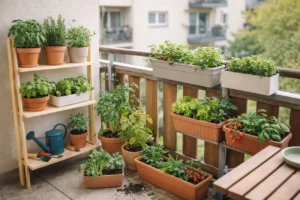
I never thought watering my plants would turn into a small disaster. I live in an apartment with a modest balcony, and like many people, I started growing plants there to make the space feel alive. At first, everything seemed fine. I watered my pots generously, watched the soil soak it up, and felt proud of my tiny green corner.
Then one afternoon, my downstairs neighbor knocked on my door.
Water had been dripping steadily from my balcony onto theirs. Not just clean water — muddy water. I was embarrassed. I felt careless. I realized I had focused so much on growing plants that I hadn’t thought about water drainage properly.
That day forced me to learn how to prevent water leakage from balcony pots the right way. What I’m sharing here isn’t theory. It’s what I figured out after making mistakes and fixing them.
Why Balcony Pots Leak More Than We Expect
When we water potted plants, excess water drains through holes at the bottom. That’s normal and healthy for plants. But on a balcony, that drainage water doesn’t disappear into the ground — it drips through cracks, over railings, and sometimes straight onto someone else’s property.
Balcony pots leak for several reasons:
1. Open Drainage Holes Without Trays
Most pots are designed for gardens, not upper-floor balconies.
2. Overwatering
When soil can’t absorb water fast enough, it drains immediately.
3. Poor Soil Structure
Dense soil holds water unevenly and causes runoff.
4. Uneven Balcony Floors
If your balcony tilts outward, water naturally flows toward the edge.
Understanding these causes was the first step in preventing water leakage from my balcony pots.
The Simple Fix That Changed Everything: Drainage Trays
The first solution I implemented was adding drainage trays under every pot.
I felt silly for not doing this earlier.
Drainage trays catch excess water before it spills over. But I quickly learned that not all trays are equal.
What to Look for in Drainage Trays
- Deep enough to hold extra water
- Slightly wider than the pot base
- Durable plastic or heavy-duty material
Shallow trays overflow easily. I made that mistake once and ended up with the same problem again.
Now I check trays after watering and empty them if needed. It takes seconds and prevents hours of stress.
Switching to Self-Watering Pots Reduced Overflow
I resisted buying self-watering pots at first. They seemed unnecessary. But after dealing with leakage problems repeatedly, I decided to try one.
The difference was immediate.
How Self-Watering Pots Help Prevent Leakage
- They store water in a bottom reservoir.
- Plants absorb moisture gradually.
- Excess water doesn’t spill out instantly.
This system prevents sudden runoff. It also reduces how often I water, which lowers the risk of overflow.
If you struggle with watering control like I did, this option is worth considering.
Using the Right Soil Mix Prevented Runoff
One mistake I didn’t recognize at first was using heavy garden soil in my pots.
Heavy soil:
- Compacts easily
- Drains poorly
- Causes water to pool and overflow
I switched to a lightweight potting mix designed for containers.
A good balcony-friendly soil mix should:
- Drain well
- Contain perlite or coco coir
- Retain moisture without becoming muddy
After switching soil, I noticed less immediate dripping and more even absorption.
Elevating Pots Slightly Helped Control Water Flow
Another small but effective trick was using pot feet or small risers.
At first, my pots sat flat on the balcony floor. Water would spill sideways and flow directly toward the edge.
By slightly elevating them:
- Water collected properly in trays
- Air circulated under pots
- Staining on the floor reduced
This simple adjustment helped me direct water instead of letting it spread unpredictably.
Watering Slowly Instead of Dumping Water
I used to pour water quickly because I was in a rush. That caused immediate drainage.
Now I water slowly.
My New Watering Method
- Pour a small amount.
- Wait 30 seconds.
- Add more if needed.
This allows the soil to absorb water gradually instead of pushing it straight out the bottom.
It also prevents soil from shifting and clogging drainage holes.
Installing a Balcony Waterproof Mat Gave Extra Protection
After the incident with my neighbor, I added an extra layer of security: a waterproof mat under my plant area.
This helped in two ways:
- Caught accidental spills
- Protected the balcony surface from stains
Some mats are designed specifically for outdoor plant areas. They’re easy to clean and prevent seepage into cracks.
If you’re renting like I am, protecting the balcony floor matters as much as preventing leakage below.
Sealing Gaps and Cracks in the Balcony Floor
I discovered tiny cracks near the balcony edge where water was slipping through.
Even with trays, small spills can travel into cracks.
I used a simple outdoor sealant to fill visible gaps. It reduced water seepage dramatically.
If your balcony floor isn’t perfectly sealed, water will find its way through.
Managing Rainwater to Avoid Overflow
Rain caused a separate problem.
Even if I didn’t water the plants, heavy rain filled the trays until they overflowed.
To fix this, I:
- Emptied trays before storms
- Moved sensitive pots closer to walls
- Used covers during heavy rain
Rainwater management is just as important as watering control.
Reducing the Number of Drainage Holes (Carefully)
Some of my pots had large drainage holes that allowed water to rush out instantly.
Instead of blocking them completely, I partially covered them with mesh.
This allowed:
- Proper drainage
- Slower water release
- Less splashing
Never seal drainage holes completely — that causes root rot. But controlling the speed of water flow helps.
Considering Rail Planters Instead of Floor Pots
After several leakage scares, I experimented with rail planters.
Mounted properly, they:
- Direct water away from the floor
- Allow easier tray placement
- Reduce pooling near edges
When installed securely with trays, they actually reduced overall leakage.
Placement matters more than I originally thought.
Communicating With Neighbors Helped Reduce Stress
After the first complaint, I felt anxious every time I watered my plants.
I decided to talk openly with my downstairs neighbor.
I explained the changes I made:
- Added trays
- Adjusted watering
- Sealed cracks
That conversation eased tension and made me more mindful. Preventing water leakage isn’t just about plants — it’s about respecting shared living spaces.
Routine Checks Prevent Future Problems
Now, I do quick checks weekly:
- Are trays cracked?
- Is water pooling anywhere?
- Are drainage holes clogged?
Small maintenance prevents bigger issues.
It’s easier to prevent leakage than to apologize for it.
Conclusion
Preventing water leakage from balcony pots isn’t complicated, but it requires attention. I learned the hard way that good intentions aren’t enough. Without trays, proper soil, controlled watering, and surface protection, even a small balcony garden can create problems.
By adding drainage trays, switching to lightweight soil, watering slowly, sealing cracks, and considering self-watering pots, I completely stopped unwanted dripping.
Now I can enjoy my plants without anxiety. My balcony is peaceful again — for me and for my neighbor below.
If you’re struggling with balcony pot leakage, don’t wait for a complaint to fix it. Small changes make a huge difference.
FAQs
1. Why do my balcony pots leak even when I don’t overwater?
Even moderate watering can cause leakage if you don’t use trays or if your soil drains too quickly. Rainwater can also fill pots and cause overflow.
2. Are drainage holes necessary for balcony pots?
Yes, drainage holes prevent root rot. However, they should always be paired with trays to catch excess water.
3. Can I block drainage holes completely to stop dripping?
No. Blocking holes entirely can suffocate roots and kill the plant. Instead, use mesh to slow water flow.
4. How often should I empty drainage trays?
Check them after every watering and after heavy rain. Empty standing water to prevent overflow and mosquito breeding.
5. What is the best soil to reduce water leakage?
A lightweight potting mix with good drainage properties works best. Avoid heavy garden soil, which causes pooling and runoff.