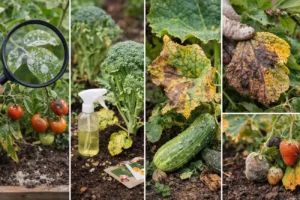
I’ll never forget the day I noticed brown spots appearing on my favorite potted plant. At first, I thought they were just signs of old age, but the spots grew larger and larger, and my plant started to look sick. I had carefully cared for the green leaves for months, and now black spots appeared. I felt utterly helpless. It was heartbreaking to see my beloved plant rot. I knew I had to figure out what was wrong as soon as possible and prevent it from getting worse.
Understanding What Brown Spots Mean
In most cases, brown spots on a plant’s leaves indicate a disease. They can appear as small dots, irregular spots, or larger areas with a yellow ring around them. By touching these spots, you can determine the cause. Soft, moist spots often indicate a fungal or bacterial infection, while dry, brittle spots usually indicate sunburn or insufficient water. To help your plant recover, you need to understand the different types and manifestations of brown spots.
Environmental Stress as a Common Cause
Environmental stress is one of the most common causes of brown spots on plants. I noticed my plants were getting too much direct sunlight in a brightly lit window. The exposed leaves developed dry, brown spots. Overwatering also caused brown spots because the roots, too wet, couldn’t absorb nutrients properly. My main goal was to balance the plants’ light and water levels to prevent further damage.
Nutrient Deficiencies in Leaves
Despite watering the plants well and giving them sufficient sunlight, some leaves developed dark spots. After some investigation, I discovered this was likely due to a vitamin deficiency. My plants were deficient in potassium, magnesium, and calcium, all essential nutrients. Over time, I noticed that new leaves grew healthier after using a balanced fertilizer. The brown spots on the plants indicate that it’s crucial to provide the right nutrients and closely monitor their nutritional needs.
Fungal Infection and Its Causes
I found some soft, circular spots with ring-shaped patterns around them. Upon closer inspection, I discovered that these spots were caused by fungi, such as leaf spots. Fungi thrive in humid air or environments where water remains on leaves for extended periods. I had to remove the affected leaves immediately, ensure sufficient distance between plants, and ensure excellent air circulation. I learned that fungal infections can spread quickly if left untreated, so both treatment and prevention are essential.
The Spread of Bacterial Infections
Some leaves developed moist, oily, dark spots that spread quickly. We eventually determined that bacterial diseases caused these spots. Unlike fungal infections, bacterial infections worsen quickly and severely damage plants. Therefore, it is crucial to remove affected leaves immediately and clean tools. I also avoided overhead watering to reduce the risk of bacterial spread. Maintaining a clean environment and excellent hygiene is very important to prevent the spread of bacteria.
How Pests Cause Brown Spots on Leaves
I discovered that pests can cause brown spots on leaves without even realizing it. Spider mites, thrips, and scale insects are all tiny insects that suck sap from leaves and leave brown spots. I discovered fine spider webs on a plant and realized they were the cause of the sudden brown spots on the leaves. Therefore, I began spraying the plants with insecticidal soap and closely monitored any new pests. At first, it’s easy to overlook pests, but if not promptly addressed, they can cause significant damage.
Infrequent Watering can Also Damage Leaves
Infrequent watering can also cause brown spots on plants. Some of my leaves had dry, yellowing tips, but the rest of the plant looked healthy. I’ve learned that both too much and too little water can stress plants. Developing a regular watering schedule, based on the plant’s growth needs, helps prevent new brown spots. To avoid this common mistake, it’s important to regularly check the soil moisture and the plant’s condition.
Humidity Levels and Their Impact
Low humidity can sometimes cause brown spots on leaves in unexpected ways. Last winter, the dry indoor air from the heating caused the leaf edges of my tropical plants to turn brown. I then started using a small humidifier and misted the plants occasionally. This gradually improved the condition of the leaves. Brown and brittle leaf edges indicate that the air is too dry, which is very damaging to delicate plants.
Why Healthy Soil Is Important
The condition of the soil is crucial for preventing brown spots on leaves. Soil that is too compact or poorly draining can cause waterlogging, suffocating the roots and even causing discoloration. I transplanted several plants into new, well-draining soil and saw immediate results. Healthy soil provides the roots with the necessary oxygen and nutrients, preventing brown spots caused by a lack of oxygen. This process is an important part of keeping plants healthy and strong.
The Effect of Light on Leaf Health
Too much or too little light can also cause brown spots on leaves. I placed a plant in a dark corner, thinking it would thrive there, and the leaves quickly began to turn yellow. Plants need sufficient light to produce nutrients and stay healthy. To prevent brown spots on plants and promote their growth, it’s crucial to adjust the amount of light to their needs.
Temperature Fluctuations and Plant Stress
Sudden weather changes can cause dark spots on leaves. One evening, a cold wind blew over my outdoor plants, causing the leaf edges to turn yellow. Delicate plants are more susceptible to damage from extreme heat or cold. Avoiding temperature fluctuations and maintaining a stable environment around them helps them stay healthy and prevents leaf damage.
Conclusion
To recognize brown spots on plant leaves, you need to be very careful, patient, and attentive. Brown spots can be caused by environmental stress, nutrient deficiencies, fungal or bacterial infections, pests, insufficient watering, low humidity, poor soil, insufficient sunlight, or temperature fluctuations. Identifying the type of brown spot and addressing the problem will help the plant recover and prevent further damage. Regular care, close observation, and preventative measures can keep plants healthy and vigorous and prevent brown spots from affecting the leaves.
FAQs
1. Do brown spots on leaves go away on their own?
Brown spots usually remain after they appear. The easiest solution is to remove the affected leaves and identify and address the cause.
2. How can I tell if brown spots are caused by pests?
Brown spots caused by pests usually have clear symptoms, such as spider webs, sticky residue, or small insects on the leaves. Regular inspection is essential.
3. Are brown spots only caused by overwatering?
Overwatering is a common cause, but brown spots can also be caused by nutrient deficiencies, too much sunlight, pests, fungal diseases, low humidity, or temperature stress.
4. How can I prevent brown spots on leaves?
Keep the soil moist, provide sufficient light and humidity and sufficient nutrients, and control pests and diseases. Also, remove damaged leaves immediately.
5. Do brown spots on leaves usually indicate a problem?
Not necessarily. Environmental stress, natural aging, or mechanical damage can also cause brown spots on leaves. Observing the pattern and texture of the spots can help you determine the cause.