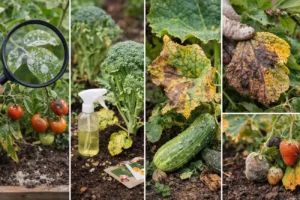
You walk into your garden one morning, and something feels off. Your plants that looked perfectly fine just a few days ago now have a strange white powder on their leaves. At first, it might look like dust or residue, but when it spreads quickly, you realize something isn’t right.
This is one of the most common plant problems gardeners face: powdery mildew.
The frustrating part? It can appear suddenly, spread fast, and weaken your plants if ignored. The good news is that once you understand why it happens and how to treat it, you can control it—and even prevent it in the future.
Let’s break it down in a simple, practical way.
What Is Powdery Mildew and Why Does It Happen
Powdery mildew is a fungal disease that shows up as white or gray powder-like spots on leaves, stems, and sometimes flowers. Unlike many other plant diseases, it doesn’t need wet conditions to grow—it actually thrives in warm, dry environments with poor airflow.
Common Causes of Powdery Mildew
Poor Air Circulation
When plants are crowded or placed too close together, air can’t move freely. This creates the perfect environment for fungal spores to grow and spread.
High Humidity (Without Direct Water on Leaves)
Even if the leaves aren’t wet, humid air can trigger powdery mildew growth, especially indoors or on balconies.
Weak or Stressed Plants
Plants that are already struggling—due to poor soil, lack of nutrients, or improper care—are more vulnerable to infections.
Too Much Shade
Plants that don’t get enough sunlight tend to stay damp and weak, which makes them easier targets.
If you’ve been noticing slow growth along with mildew issues, you might want to check your overall care routine. For example, understanding why indoor plants stop growing can help you identify deeper problems affecting plant health.
Early Signs You Should Never Ignore
Catching powdery mildew early can save your plant with minimal effort.
Visible Symptoms
White Powdery Spots
The most obvious sign—starts small and spreads quickly across leaves.
Yellowing Leaves
Infected leaves may turn yellow and weaken over time.
Leaf Curling or Distortion
Leaves may start curling or looking misshapen as the infection spreads.
Slowed Growth
Plants may stop growing or look stunted.
[Insert image showing early-stage powdery mildew on plant leaves]
Step-by-Step Treatment Guide
Once you spot powdery mildew, act quickly. Here’s a simple, effective method to control it.
Step 1: Remove Affected Leaves
Carefully trim off heavily infected leaves. This helps stop the spread immediately.
- Use clean scissors
- Dispose of infected parts away from your plants
- Do not compost infected leaves
Step 2: Improve Airflow
This is one of the most overlooked fixes.
- Space plants apart
- Open windows for indoor plants
- Avoid overcrowded setups
Step 3: Use a Natural Spray Solution
Option 1: Baking Soda Spray
- 1 teaspoon baking soda
- 1 liter water
- Few drops of mild liquid soap
Spray lightly on affected areas once every 5–7 days.
Option 2: Milk Spray
- 1 part milk
- 2 parts water
This works surprisingly well and is safe for most plants.
Step 4: Adjust Watering Habits
Avoid watering late in the evening. Water in the morning so plants dry naturally during the day.
If watering issues are common for you, it’s worth learning more about maintaining a correct watering schedule for living room plants, as improper watering often contributes to plant stress and disease.
Step 5: Increase Sunlight Exposure
Move plants to brighter spots if possible. Sunlight helps slow down fungal growth.
[Insert image showing proper plant spacing and airflow setup]
Practical Observations From My Experience
Over time, I’ve noticed that powdery mildew isn’t just about one mistake—it’s usually a combination of small issues.
For example, one mistake I made was keeping too many plants in a small balcony corner. They looked great at first, but airflow was almost zero. Within weeks, mildew appeared and spread faster than I expected.
What worked for me was surprisingly simple:
- I spaced out the plants
- Pruned regularly
- Stopped overwatering
In another case, I ignored early signs thinking it was just dust. By the time I acted, the infection had already spread to multiple plants. Since then, I always check leaves closely during routine care.
Also, I’ve found that healthy plants resist diseases much better. If your plants are already weak, they’re more likely to develop issues like discoloration or fungal infections. That’s why I often focus on overall plant health first—similar to how I approach rescuing plants that are losing color.
Common Mistakes to Avoid
- Ignoring early white spots
- Overcrowding plants
- Watering late in the day
- Using too much fertilizer (weakens plants over time)
- Not cleaning tools between pruning
- Spraying treatments inconsistently
These small mistakes can make a big difference in how fast the problem spreads.
Pro Tips That Actually Work
Keep Leaves Dry
Even though powdery mildew doesn’t need water, wet leaves can still create favorable conditions.
Rotate Your Plants
This ensures all sides get proper light and airflow.
Use Preventive Sprays Occasionally
Even when your plants look healthy, a light preventive spray every few weeks can help.
Choose Resistant Plants
Some plant varieties are naturally more resistant to fungal diseases.
Regular Inspection Routine
Make it a habit to check leaves once a week. This simple step can prevent major issues.
Long-Term Prevention Strategy
Treating powdery mildew is one thing, but preventing it is where real success comes in.
Focus on Plant Health
Healthy plants are naturally more resistant. This includes:
- Good soil
- Balanced nutrients
- Proper watering
Improve Growing Conditions
- Ensure proper spacing
- Provide enough sunlight
- Maintain airflow
Avoid Stress Conditions
Sudden changes in temperature, light, or watering can weaken plants.
Maintain Cleanliness
- Clean pots and tools
- Remove dead leaves regularly
If you’re building your garden from scratch or improving your setup, learning how to prepare garden soil properly can make a big difference in preventing issues like this.
FAQs
Is powdery mildew harmful to humans?
No, it’s not harmful to humans. However, it can seriously affect plant health if left untreated.
Can plants recover from powdery mildew?
Yes, most plants can recover if treated early and properly. Severe infections may require more aggressive pruning.
Should I isolate infected plants?
Yes, if possible. This helps prevent the fungus from spreading to nearby plants.
Does sunlight kill powdery mildew?
Sunlight helps slow its growth, but it doesn’t eliminate it entirely. Treatment is still necessary.
Can I reuse soil from infected plants?
It’s better not to. Fungal spores can remain in the soil and infect new plants.
Conclusion
Powdery mildew might look alarming at first, but it’s one of those plant problems that becomes manageable once you understand it.
The key is early detection, simple treatment, and better plant care habits.
You don’t need expensive products or complicated solutions. Most of the time, improving airflow, adjusting watering, and using simple home remedies are enough to control it.
If there’s one thing to remember, it’s this: healthy plants rarely suffer badly from problems like powdery mildew. So instead of only reacting to issues, focus on building strong, well-cared-for plants from the start.
With consistent care and a bit of attention, your garden can stay healthy, clean, and thriving.