
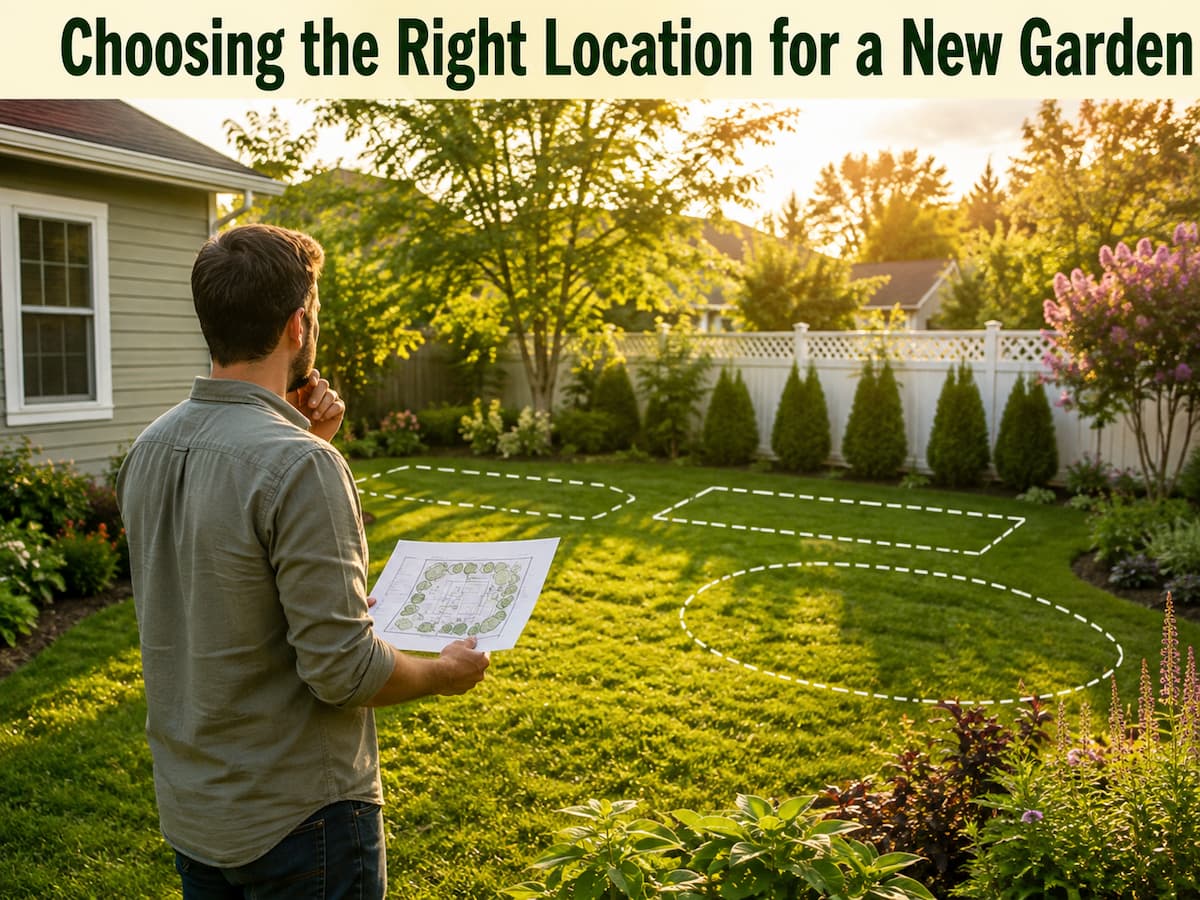
Starting a garden often begins with an exciting question: what should you grow? But before choosing tomatoes, herbs, flowers, or shrubs, there is a more important decision to make. You need to choose the right location. A garden can have excellent soil and quality plants yet struggle if it receives too little sunlight, stays wet after rain, or sits in a place exposed to strong winds. The best garden location is not always the largest open space in a yard. It is the area that provides suitable sunlight, drainage, access to water, protection from harsh conditions, and enough room for plants to grow. Taking time to study your outdoor space before digging can prevent many problems later.
Whether you are creating a small vegetable patch, a flower bed, a herb garden, or a mixed garden, location affects how much maintenance the space will require. A few careful observations can help you choose a site where plants have a much better chance of staying healthy.
Start by Watching the Garden Area
Before preparing the soil, spend several days observing different parts of your yard. What looks like a sunny area in the morning may become shaded in the afternoon. Similarly, an area that seems dry may collect water after heavy rain.
Pay attention to how sunlight moves across the property, where rainwater collects, and which areas remain damp or dry. Also notice nearby trees, fences, buildings, walls, and other structures because they can change both sunlight and airflow. If possible, observe the area at different times of the day. Taking a few simple notes can reveal patterns that are often overlooked to miss during a single visit.
A useful observation checklist includes:
- Morning, midday, and afternoon sunlight
- Areas that remain shaded
- Places where water collects after rain
- Strong wind directions
- Nearby trees and their root zones
- Distance from an outdoor water source
- Foot traffic through the area
- Space available for future plant growth
This short planning stage can save considerable effort once planting begins.
How Much Sunlight Does Your Garden Need?
Sunlight is one of the biggest factors affecting plant growth. Different plants have different light requirements, so the amount of sun available should influence what you grow and where you plant it.
Vegetable gardens often perform best in locations with several hours of direct sunlight. Plants such as tomatoes, peppers, cucumbers, and many fruiting crops generally need substantial light to produce well. Some leafy greens, herbs, and ornamental plants can tolerate less direct sunlight. Instead of simply asking whether a location is “sunny,” consider how long direct sunlight reaches the ground.
A simple way to think about garden locations is
| Garden condition | What it may suit |
|---|---|
| Strong direct sunlight for much of the day | Many vegetables, herbs, and sun-loving flowers |
| Morning sun with afternoon shade | Some herbs, greens, and plants that dislike intense afternoon heat |
| Bright filtered light | Shade-tolerant ornamentals and some leafy plants |
| Deep shade | A limited range of shade-loving plants |
Remember that sunlight changes throughout the year. A location that receives plenty of light in spring may become more shaded when nearby trees grow their leaves.
Check the Soil Before You Commit to the Site
A garden’s location and soil quality closely connect. Even if you plan to add compost or other soil amendments, it helps to understand what is already present. Look at the soil after both dry and wet weather. Is it loose and crumbly, or does it become hard and compacted? Does the water disappear quickly, or does it remain muddy for hours or days?
Very compacted soil can make planting and root growth more difficult. Poor drainage can also create problems for plants that do not tolerate constantly wet roots. You do not necessarily need to reject a location because its soil is imperfect. Raised beds, containers, compost, and other garden improvements can solve some soil problems. However, a site with reasonable drainage and workable soil gives you a better starting point.
Drainage Matters More Than Many Beginners Expect
One of the easiest mistakes is choosing a garden location simply because it receives ample sunlight. A sunny area that regularly becomes waterlogged may still be a poor choice. After rainfall, walk around the property and look for puddles or unusually damp patches. Pay particular attention to areas at the bottom of slopes and places where downspouts release water.
Avoid placing a garden directly where roof runoff repeatedly hits the soil unless you have specifically designed the area to handle that water. Good drainage does not mean the soil should become completely dry immediately after watering. Plants need moisture, but their roots also need access to air. Persistent standing water can create an unsuitable environment for many common garden plants.
Think About Wind and Weather Exposure
Wind can affect a garden more than it first appears. Strong or constant winds can dry out soil, damage delicate stems, knock over containers, and make young plants more difficult to establish. Look at fences, walls, hedges, buildings, and existing vegetation that may provide some protection. A sheltered location can be especially useful for plants with fragile stems or large leaves.
However, completely blocking airflow is not always ideal. Poor air circulation can increase humidity around foliage and may contribute to certain plant problems. The goal is usually not to create a sealed space but to reduce damaging wind exposure while maintaining reasonable airflow. If your property experiences strong seasonal winds, choose a location where plants have some natural protection rather than placing them in the most exposed part of the yard.
Keep the Garden Easy to Reach
A garden that is difficult to reach can become difficult to maintain. This is particularly important for vegetable and herb gardens because they often need regular watering, harvesting, pruning, and inspection.
A location near a commonly used path can make everyday gardening much easier. You are more likely to notice a dry plant, ripe vegetable, damaged leaf, or pest problem when you pass the garden regularly.
Think about how you will carry:
- Watering cans or hoses
- Bags of compost or soil
- Gardening tools
- Harvested vegetables
- Plant supports and containers
You should not place the garden so close to a walkway that plants become a constant obstacle, but convenience should be part of the planning process. A garden that takes only a few extra minutes to reach may receive much more attention than one hidden at the far end of the property.
Consider the Water Source Before Planting
Water is another practical consideration that is easy to overlook during the planning stage. If the garden is far from an outdoor tap, regular watering can become inconvenient. Carrying heavy watering cans across a yard may be manageable for a few days but frustrating over an entire growing season.
Before choosing the final location, consider where the nearest reliable water source is and whether a hose can reach the garden without creating a tripping hazard. You should also think about how rainfall moves across the property. A garden that receives some natural rainfall but has access to supplemental watering is generally easier to manage than one that depends entirely on hand watering from a distant source.
Watch Out for Trees and Large Structures
Trees can be valuable parts of a garden, providing shade, habitat, and visual interest. However, their location can affect what you grow nearby. Large trees can block sunlight, and their roots may compete with garden plants for available water and nutrients. Falling leaves and branches may also require additional maintenance.
Buildings, sheds, walls, and fences can create similar effects. They may block sunlight during certain parts of the day while also protecting the garden from wind. This does not mean you should avoid planting near every tree or structure. Instead, understand how the feature affects the specific location before deciding what belongs there. A shade-loving garden may work beautifully beneath suitable tree cover, while a vegetable patch that requires strong sunlight may perform better elsewhere.
Leave Enough Space for Plants to Grow
When planning a new garden, it is all too common to think only about the size of plants when they are first purchased. A small seedling can eventually become a much larger plant. Check the mature size of shrubs, vegetables, flowers, and other plants before deciding how much space they need. Crowding plants together can reduce airflow and make maintenance more difficult.
Paths should also be considered from the beginning. You need enough room to reach plants for watering, harvesting, pruning, weeding, and other routine tasks. A well-planned garden does not have to use every available inch. Leaving practical working space can actually make the entire area more productive because plants are easier to care for.
Think About Future Changes
Your garden location should work not only today but also as surrounding plants and structures change. A young tree may eventually cast a large shadow. A small shrub may grow across a path. A new fence or outdoor structure could alter sunlight and airflow.
If you are planning a long-term garden, consider what the property might look like several years from now. This is particularly important when planting permanent shrubs, fruit trees, or perennial plants. Temporary vegetable beds offer more flexibility because they can be moved or redesigned from season to season. Permanent plantings deserve more careful location planning.
When a Small Space Is Your Only Option
Not everyone has a large yard with several possible garden locations. A balcony, patio, narrow side yard, or small courtyard can still support a productive garden. In a limited space, focus on matching plants to the conditions you actually have instead of trying to recreate an ideal garden environment.
Containers can provide flexibility because they can sometimes be moved when sunlight or weather conditions change. Vertical growing systems can also make better use of limited space. The key is to work with the available conditions. A small garden that receives appropriate light and regular care can be more successful than a large garden placed in an unsuitable location.
A Simple Location Test Before You Plant
If you are unsure between two or three possible locations, compare them rather than choosing immediately. For several days, record the amount of sunlight, soil moisture, wind exposure, accessibility, and available space in each area. You can then compare the locations based on the needs of the plants you intend to grow.
For example, a vegetable garden may favor the location with stronger sunlight and convenient water access. A shade garden may benefit from a different area beneath partial tree cover. There is no single “perfect” garden location for every plant. The best site is the one that matches your growing goals.
Common Location Mistakes to Avoid
Some garden problems begin before the first seed is planted. Choosing a location based only on appearance can lead to unnecessary maintenance later. One common mistake is selecting the sunniest area without checking drainage. Another is placing the garden far from a water source because the location looks attractive. Beginners may also underestimate how much shade nearby trees will create as they grow.
Other problems include planting directly beneath large trees without considering root competition, ignoring strong seasonal winds, and leaving too little space between plants. A few minutes of planning can prevent many of these issues. You do not need to create a perfect garden plan before starting, but you should understand the basic conditions of the site.
Match the Location to the Garden You Want
The right location depends partly on the type of garden you are creating. A vegetable garden usually benefits from strong sunlight, convenient watering, workable soil, and straightforward access. A flower garden may offer more flexibility depending on the plants selected. A herb garden can work well close to the kitchen if the light conditions are suitable.
For a pollinator-friendly garden, you may also want to consider flowering seasons, shelter, and nearby vegetation. A children’s garden might benefit from a location that is easy to observe and reach. Instead of asking, “Where should I put my garden? “Start with a more useful question: “What conditions do the plants I want to grow need?”
That approach makes the location decision much easier.
Conclusion
Choosing the right location for a new garden is one of the most useful planning decisions you can make. Sunlight, drainage, soil, wind exposure, water access, and available space all affect how easily you can maintain a garden and how well plants can grow. You do not need a huge yard or perfect soil to create a successful garden. What matters most is understanding the conditions of the space and choosing plants that can work with them.
Before reaching for a shovel, spend some time observing your property. Watch the sunlight, check the soil after rain, notice wind patterns, and think about how you will access the garden throughout the season. Those simple observations can turn an ordinary patch of outdoor space into a much more practical and enjoyable garden.
FAQs
1. How do I choose the best location for a vegetable garden?
Look for a location with strong sunlight, reasonable drainage, convenient access to water, and enough space for plants to reach their mature size. Easy access is also valuable because vegetable gardens often need frequent attention.
2. Should a garden be in full sun?
Not every garden needs full sun. Many vegetables and sun-loving plants perform best with substantial direct sunlight, while certain herbs, flowers, and leafy plants can tolerate partial shade. Choose the location according to the plants you plan to grow.
3. Is it okay to put a garden near a tree?
It can be, but consider the tree’s shade, roots, falling branches, and water requirements. A location beneath a tree may work for shade-tolerant plants but may be unsuitable for crops that require strong direct sunlight.
4. How can I tell whether a garden location has poor drainage?
Observe the area after rainfall. Persistent puddles, muddy soil, or water that remains for an extended period can indicate drainage problems. A simple soil assessment can also help you understand how quickly water moves through the ground.
5. Should my garden be close to the house?
It does not have to be, but convenient access can make gardening easier. A location near the house may be especially useful for herbs, vegetables, or plants that require frequent watering and harvesting.