
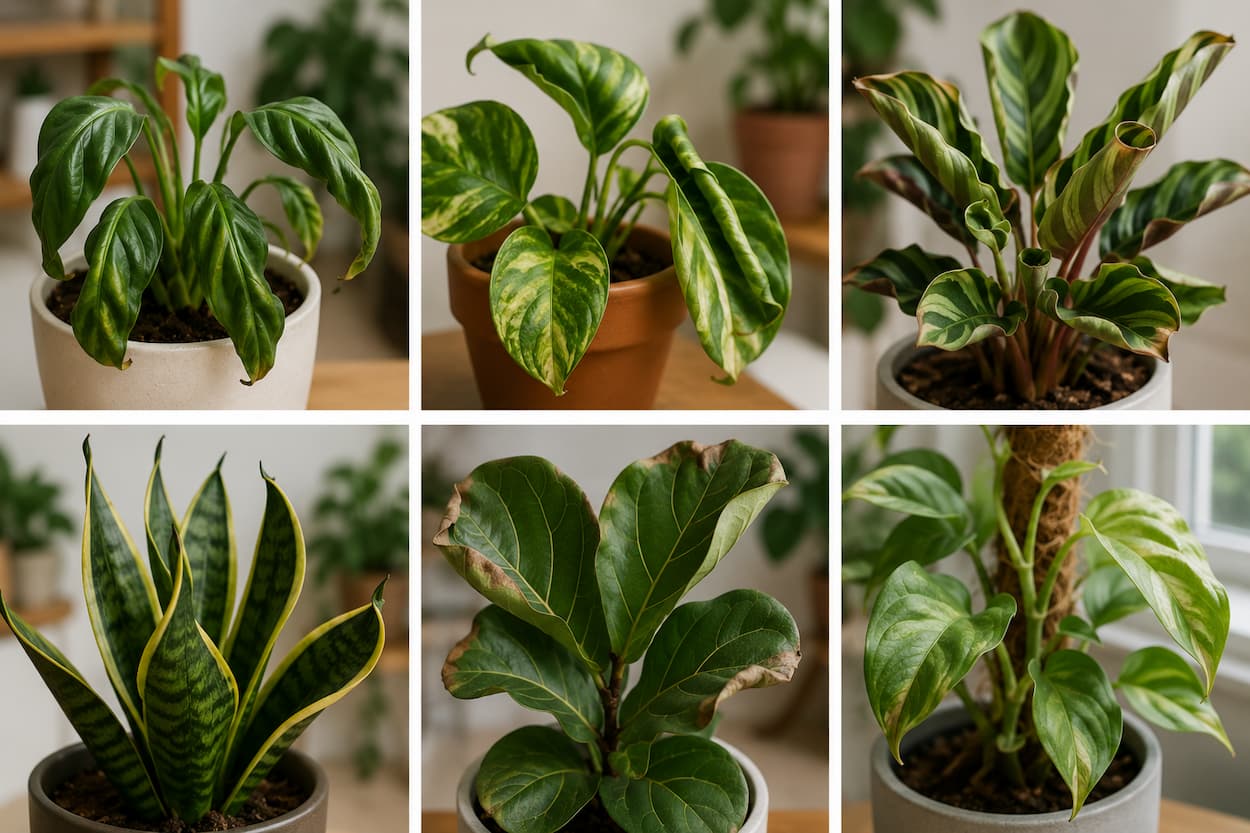
Walk into a room full of houseplants and look closely at the leaves. Some will be flat and open, reaching toward the light. Others will be curled inward like a scroll, or rolled downward at the edges, or twisted along the midrib. The untrained eye sees this as mere aesthetics — a quirk of shape. The experienced grower sees it as a language. Leaves do not curl randomly. They curl in specific patterns, and each pattern points to a specific stressor. Learning to read these patterns is the difference between guessing and knowing what your plant needs.
Leaf curling is fundamentally a protective response. When a plant experiences stress, it reduces the exposed surface area of its leaves to limit water loss through transpiration. This is not damage in the traditional sense; it is adaptation. The leaf is trying to survive. But the fact that it needs to adapt means something in its environment is wrong. The curl is the symptom, not the disease. The task is to identify the underlying cause.
Water Stress: The Most Common Culprit
Water imbalance is the leading cause of leaf curl in houseplants, and it produces two distinct patterns depending on whether the problem is too much or too little water.
When a plant is underwatered, the soil dries out and roots cannot absorb enough moisture to maintain turgor pressure in the leaf cells. The leaves curl inward or upward to conserve the remaining water. The leaves may feel papery or crisp, and the pot will feel noticeably light when lifted. The soil will be dry well below the surface. In severe cases, the edges turn brown and brittle. The fix is straightforward: water thoroughly until excess drains from the holes, and consider a bottom soak of 20 to 30 minutes if the root ball has dried out completely and begun to repel water. Most plants recover their leaf shape within hours of adequate hydration.
Overwatering produces the opposite curl: leaves roll downward and feel soft or limp rather than crisp. The soil stays wet for days, often smelling sour or musty. The pot feels heavy. This happens because saturated soil drives out oxygen, suffocating roots and preventing them from transporting water to the leaves. The plant curls downward not from thirst but from root dysfunction. The solution is to stop watering, ensure the pot has drainage holes, and allow the top third of the soil to dry before the next watering. If root rot has set in, the plant may need repotting with trimmed roots and fresh, dry mix.
Humidity and Heat: The Invisible Forces
Low humidity causes a specific type of curl: the edges and tips of leaves curl inward while the center remains relatively flat. This is most common in winter when indoor heating drops relative humidity below 30 percent. Tropical plants like calatheas, ferns, and anthuriums are particularly sensitive. The compost may be adequately moist, yet the leaves still curl because the air is pulling moisture from them faster than the roots can replace it.
Heat stress produces a similar upward curl but is usually accompanied by bleached or scorched patches on the side of the leaf facing the heat source. This happens when a plant sits too close to a radiator, above a heat vent, or in direct afternoon sun through south-facing glass. The leaf surface temperature can rise 15 to 25 degrees above ambient air temperature, accelerating transpiration beyond what the roots can sustain. Moving the plant away from the heat source or filtering the light with a sheer curtain typically resolves the issue within days.
Light Imbalance: Too Much or Too Little
Insufficient light causes leaves to curl downward and become pale or leggy. The plant is stretching toward the light source, weakening cell walls in the process. New leaves may be smaller than normal. This is common when a plant is moved to a darker corner or when winter light levels drop significantly. The solution is gradual relocation to a brighter spot or supplemental grow lighting. citeweb_search:6#11
Excessive light causes upward curling, often with brown, crispy edges. The leaves are essentially sunburned. This is most common when a plant accustomed to indirect light is suddenly exposed to direct sun, or when a grow light is positioned too close. Acclimation should be slow — increase light exposure over several weeks rather than moving the plant in a single day.
Pests: The Sap-Sucking Thieves
Certain insects cause leaf curl by physically damaging the leaf tissue as they feed. Aphids, thrips, spider mites, and whiteflies are the usual suspects. They cluster on the undersides of leaves and at growing tips, sucking sap and distorting new growth. The curl is tight and often deformed, accompanied by stippled silvery patches, fine webbing, or sticky honeydew residue.
Diagnosis requires inspection. Hold a white sheet of paper under a leaf and tap it sharply. If tiny specks fall and move, you have pests. Check neighboring plants immediately — these insects travel fast. Treatment begins with isolating the affected plant, washing the leaves with a gentle shower, and applying insecticidal soap or neem oil on a weekly schedule to catch new hatchlings. Severe infestations may require pruning the most damaged growth.
Nutrients, Soil, and Root Health
When essential minerals are lacking or soil pH drifts outside the optimal range, roots cannot take up what the plant needs. The result is curling paired with discoloration. Low magnesium or manganese causes patchy yellowing between the veins while the veins remain green. New leaves curling with yellowing between veins suggests manganese deficiency; older leaves with the same pattern point to magnesium. Potassium deficiency can cause midrib curling and marginal browning.
Rootbound plants or those in compacted soil also curl their leaves because water and nutrients reach the plant in a stop-and-start fashion. Tight root rings prevent even distribution. The fix is repotting into a container one size larger with fresh, airy potting mix. If roots are black or mushy, trim the damaged portions before repotting.
Temperature and Draft Stress
Cold drafts and sudden temperature swings stress leaf pores and disrupt water movement. Air conditioning vents, open windows in winter, and uninsulated exterior walls can all cause downward curling with dark, water-soaked patches. Cordylines and other tropical species are especially vulnerable; temperatures below 50°F (10°C) disrupt membrane fluidity in leaf cells and cause basal curling even when room thermometers read higher. The solution is to move the plant a few feet from vents and cold glass, and to use curtains at night to buffer temperature drops.
Water Quality and Chemical Sensitivity
Some plants react to fluoride, chlorine, and mineral salts in tap water. Dracaenas, spider plants, and marantas are particularly sensitive. The typical pattern is brown tips that precede curling, often starting on older leaves. Fluoride accumulates in leaf tissue and damages cell membranes. Chlorine can be off-gassed by letting tap water sit uncovered for 24 hours, but fluoride requires filtration or the use of rainwater or distilled water. Heavy fertilizer use also causes salt buildup, which burns roots and dries leaf tips. Flushing the soil with clean water every few months helps prevent this.
The Diagnostic Decoder: Reading the Pattern
The direction and location of curl provide the most reliable diagnostic clues. Use the following framework to narrow down the cause quickly:
| Curl Pattern | Most Likely Cause | Confirming Signs | First Action |
|---|---|---|---|
| Inward/upward curl, crisp edges | Underwatering, low humidity, or heat stress | Dry soil; pot feels light; brown, papery edges; curl worse on side facing heat source | Water thoroughly; move from heat source; increase humidity if needed |
| Downward curl, soft limp leaves | Overwatering or root rot | Soil wet for days; sour smell; pot feels heavy; yellowing from base | Stop watering; check drainage; inspect roots for rot; repot if necessary |
| Tip curling from leaf tip downward | Chronic low humidity or inconsistent watering | Curl begins at tip and progresses inward; common in heated indoor spaces November–March | Stabilize watering schedule; raise humidity above 40% RH |
| Base curling near petiole | Cold stress or early root rot | Leaves fold upward near base; dark water-soaked patches; plant near vent or cold glass | Move from cold source; check soil saturation; improve drainage |
| Midrib twisting along central vein | Excessive direct sun, fluoride toxicity, or potassium deficiency | Bleached patches on sun-facing side; brown tips on sensitive species; yellowing between veins | Filter sun or move plant; switch to filtered water; check fertilizer balance |
| Tight curl on new growth tips | Pests or nutrient imbalance | Tiny insects or webbing on leaf undersides; sticky residue; deformed young leaves | Isolate plant; wash leaves; treat with insecticidal soap; review feeding schedule |
| Random curl after dry spell | Underwatering followed by irregular recovery | Soil pulled from pot edges; pot very light; growth stalled | Bottom water to rehydrate core; establish consistent schedule |
| Curl with sticky residue | Aphids, whiteflies, or scale | Clusters on new growth or leaf undersides; ants attracted to honeydew | Rinse leaves; apply neem oil or insecticidal soap weekly; isolate from other plants |
Pattern Recognition Principle: A curled leaf will not uncurl once the damage is done. The goal is not to fix the existing curl but to ensure new growth emerges flat and healthy. Focus your diagnosis on current conditions, not damaged foliage. If the next two leaves open normally, your correction is working. If they curl too, reassess.
Disease and Transplant Shock
Fungal and viral diseases can cause persistent curling that does not resolve with corrected watering or lighting. Peach leaf curl, for example, produces reddish, puckered leaves on fruit trees. Mosaic viruses cause twisted, blistered growth with strange color patterns. These are rare in typical houseplants but worth considering if all other causes have been ruled out and the curling persists or spreads. Remove the worst affected leaves, sanitize tools between cuts, and avoid reusing soil from a sick plant. If a virus is suspected and the plant is not rare or sentimental, discard it to protect the rest of your collection.
Transplant shock causes temporary curling for one to two weeks after repotting. Roots need time to heal and anchor in fresh soil. Leaves may droop and curl slightly while the plant adjusts. Do not fertilize immediately after repotting, and keep light bright but gentle. When new leaves open flat, normal care can resume.
Frequently Asked Questions
Will curled leaves ever flatten out again?
If the cause was underwatering or humidity deficiency and was addressed promptly, leaves may return to near-normal shape within hours to days. Persistent curling that has lasted weeks will likely remain deformed, but new growth should emerge normally once conditions are corrected.
Should I remove curled leaves?
It is generally fine to remove dried, fully curled, or heavily damaged leaves. This allows the plant to redirect energy. However, avoid over-pruning. Leaves that are partially curled but still green can continue photosynthesizing. The priority is correcting the underlying cause, not aesthetic perfection.
My calathea curls its leaves every evening. Is this normal?
Yes. Calatheas exhibit nyctinasty — a natural movement where leaves fold upward at night and reopen in the morning. This is different from stress-related curling, which persists throughout the day. If the curling remains during daylight hours, then humidity or watering is the likely cause.
How do I know if curling is from pests or environmental stress?
Check the undersides of leaves and new growth tips for insects, webbing, or sticky residue. Environmental stress usually affects the whole plant or one side uniformly. Pest damage tends to concentrate on tender new growth and may be accompanied by stippled discoloration. When in doubt, treat for pests and adjust environment simultaneously — the two problems often coexist.
Can I prevent leaf curl before it starts?
Prevention is primarily about consistency. Stable watering, stable humidity, stable temperatures, and regular inspection for pests will prevent most curling. Sudden changes — in location, watering frequency, or light exposure — are what trigger the stress response. Acclimate plants gradually and maintain routines rather than reacting to problems after they appear.
Critical Warning: Do not apply fungicides or insecticides to curled leaves without confirming the cause. In one study of cordyline leaf curling, only 6% of verified cases were pest-related, yet many growers sprayed unnecessarily. Chemicals applied to a plant already stressed by underwatering or low humidity can compound the damage. Diagnose first. Treat second.
Leaf curling is not a crisis. It is a signal, and like any signal, it becomes useful only when you know how to interpret it. The plant is not being dramatic. It is being precise. An upward curl means one thing, a downward curl means another, and a twist along the midrib means something else entirely. The patterns are consistent enough that once you learn them, you can walk into a room and diagnose problems in seconds without touching a single leaf. That is the skill worth building. The plants have been trying to tell you what is wrong. All you need to do is learn the language.
About This Article: This guide was written to help plant owners move beyond guesswork when diagnosing leaf problems. The diagnostic framework draws on horticultural research and expert observation from certified plant specialists. No brand affiliations exist. For persistent curling that does not respond to environmental correction, consult a local extension service or nursery professional for hands-on diagnosis.
Sources and References
- Grow Tropicals – Why Do Houseplant Leaves Curl? Causes & Fixes (March 2026)
- Royal Horticultural Society – Leaf Damage on Houseplants (December 2025)
- Leaves and Soul – Why You Should Never Ignore Leaf Curl, And What It’s Telling You (August 2025)
- Gardening Know How – Curling Potted Plants: What To Do About Curled Houseplant Leaves (November 2021)
- ECHO Community – The Many Causes of Leaf Curling (March 2025)
- Greenboog – 8 Direct Reasons Why Indoor Plant Leaves Curl Inward (June 2024)
- Alibaba Life Tips – Cordyline Leaves Curling: Causes, Fixes & Prevention Guide (January 2026)
- University of California Agriculture and Natural Resources – Curling Leaves on Plants (April 2025)