
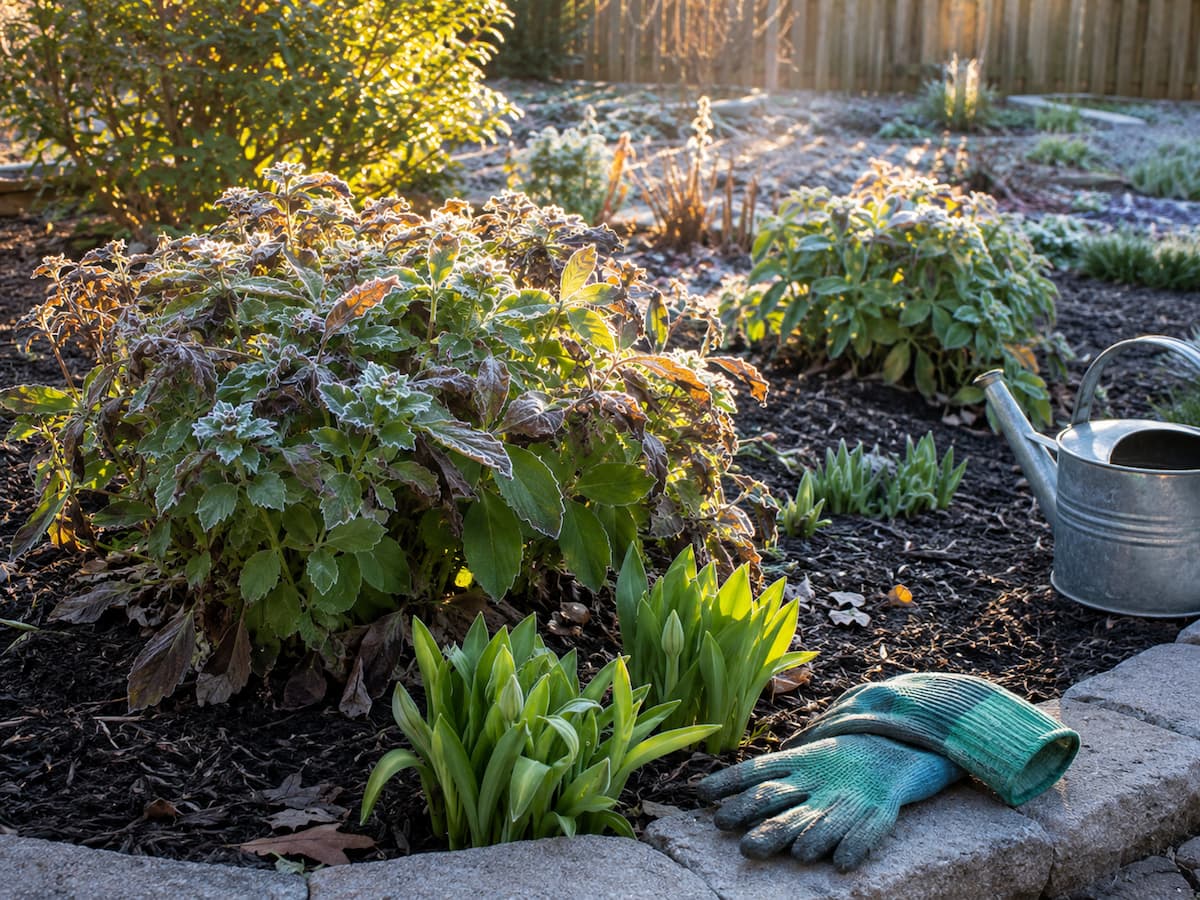
A sudden cold night can change the appearance of a healthy garden almost overnight. Leaves may turn black, flowers can wilt, and soft stems may become limp after exposure to freezing temperatures. Seeing this kind of damage is discouraging, especially if you have spent months caring for your plants. Fortunately, cold damage does not always mean a plant is beyond saving. Many trees, shrubs, flowers, and even some vegetables can recover if they receive the right care during the days and weeks that follow.
One of the biggest mistakes beginners make is reacting too quickly. Cutting off damaged branches immediately or adding excessive fertilizer often creates more stress for an already weakened plant. Recovery takes patience because the true extent of cold damage may not become visible until new growth begins.
This guide explains how cold weather affects plants, how to recognize different levels of frost damage, and what steps you should take to improve the chances of recovery. You will also learn how to protect your garden from future cold spells with simple preventive measures that work for both outdoor gardens and container plants.
How Cold Weather Damages Plants
Plants contain water inside every stem, leaf, and cell. When temperatures fall below what a particular plant can tolerate, that water may begin to freeze. Ice crystals can damage plant cells, making it difficult for tissues to transport water and nutrients. As temperatures rise again, the damaged cells often collapse, leaving leaves wilted, discolored, or brittle.
The amount of damage depends on several factors, including the type of plant, its age, its overall health, soil moisture, and how long freezing temperatures lasted. A brief light frost may only affect tender leaves, while several hours of freezing weather can damage stems, buds, roots, and even the entire plant.
Plants Most Likely to Experience Cold Damage
| Plant Type | Cold Sensitivity | Recovery Potential |
|---|---|---|
| Tropical houseplants | Very High | Moderate if roots survive |
| Tender annual flowers | High | Often limited |
| Young shrubs | Moderate | Usually good |
| Established trees | Low to Moderate | Often excellent |
| Cold-hardy perennials | Low | Usually recover well |
Understanding how your specific plants respond to cold weather helps you make better decisions after a frost instead of assuming every damaged plant needs the same treatment. A plant with damaged leaves is not necessarily dead. Healthy roots and stems often produce new growth once temperatures become favorable again.
Recognizing Signs of Cold Damage
Cold damage does not always appear immediately. Some plants look healthy during freezing weather but begin showing symptoms several days later. Learning to identify these signs helps you decide whether a plant is recovering naturally or needs additional care.
Common Symptoms of Frost Damage
- Wilted leaves that do not recover after temperatures rise
- Black, brown, or translucent foliage
- Soft stems that later become dry and brittle
- Dropped flowers or unopened buds
- Slow or delayed new growth
- Split bark on young trees
Some plants lose only their leaves while keeping healthy stems and roots. Others may experience damage above ground but still send out fresh shoots from the base several weeks later.
How to Check Whether a Plant Is Still Alive
Instead of removing the plant immediately, inspect different parts carefully. Look for firm stems rather than completely dried ones. Healthy branches often remain flexible, while dead branches usually snap easily.
| Observation | Possible Meaning |
|---|---|
| Firm green stem | Healthy tissue remains |
| Flexible branches | Likely to recover |
| Dry brittle stems | May be dead |
| Healthy roots with damaged leaves | Good chance of recovery |
| New buds appearing | The plant is actively recovering |
Recovery often starts below the damaged sections. Waiting before making major pruning decisions allows you to see where healthy growth returns naturally.
What to Do Immediately After a Frost
The hours after a frost are important, but they are not the time for major repairs. Plants that have experienced freezing temperatures are already under stress, and unnecessary actions can make recovery more difficult.
- Allow Temperatures to Stabilize
- Inspect Without Disturbing the Plant
- Remove Only Completely Collapsed Material
Watering Plants During Recovery
Water management plays an important role during recovery. While damaged plants still need moisture, too much water can create additional problems, especially if freezing temperatures have already weakened the roots. Check the soil before watering rather than following a fixed schedule. If the soil remains damp several inches below the surface, additional watering may not be necessary. On the other hand, dry soil can make it harder for recovering roots to support new growth.
Best Watering Practices After Cold Damage
- Water deeply but only when the soil begins to dry.
- Avoid leaving soil constantly saturated.
- Water early in the day when possible.
- Keep water away from damaged foliage if fungal diseases are a concern.
Container plants often dry out faster than garden beds, so check them more frequently. However, avoid assuming they always need more water simply because leaves appear wilted. Wilting can result from damaged tissues rather than a lack of moisture.
Mulch Can Help Stabilize Soil Conditions
A layer of organic mulch around the base of plants helps reduce sudden temperature changes in the soil and slows moisture loss. Keep mulch a short distance away from the main stem to allow good air circulation and reduce the risk of rot.
When to Prune Cold-Damaged Plants
Pruning is one of the most misunderstood parts of plant recovery. Many gardeners want to remove every damaged leaf immediately because the plant looks unhealthy. Often, waiting produces better results. Damaged leaves and stems often provide temporary protection for healthy tissues underneath. Removing them too early may expose living parts of the plant to additional weather changes or sunlight before recovery has begun.
Signs That It Is Time to Prune
- New growth has clearly appeared.
- Dead branches remain dry and brittle.
- Healthy tissue is easy to identify.
- There is no further risk of freezing weather.
| Situation | Best Action |
|---|---|
| Leaves damaged only | Wait before pruning |
| Dead branch tips | Prune after new growth begins |
| Soft rotting stems | Remove carefully |
| Healthy new shoots | Protect and encourage growth |
Pruning at the right time helps plants direct energy toward healthy growth instead of trying to support dead tissue. At the same time, patience prevents the accidental removal of branches that may still recover.
Should You Fertilize After Cold Damage?
One of the most common questions after a cold snap is whether fertilizer will help damaged plants recover faster. While it may seem like a sensible idea, adding fertilizer immediately after frost damage is usually not recommended. Plants recovering from freezing temperatures are focused on repairing damaged tissues rather than producing rapid new growth. Applying fertilizer too early can encourage tender shoots before the plant has fully recovered. If another cold period arrives, the fresh growth often suffers the most damage.
When Fertilizer May Be Helpful
Wait until the plant begins producing healthy new leaves or shoots before considering fertilizer. Even then, follow the product instructions carefully and avoid applying more than recommended.
| Plant Condition | Fertilizer Recommendation |
|---|---|
| Immediately after frost | Do not fertilize |
| Showing healthy new growth | Apply only if needed |
| Still stressed or dormant | Wait and continue monitoring |
| Healthy established plants | Resume normal feeding schedule |
Tip: Healthy roots, proper watering, and patience usually contribute more to recovery than adding extra fertilizer.
Helping Container Plants Recover
Plants grown in pots and containers often suffer more from cold weather than those planted in the ground. Their roots are surrounded by a smaller amount of soil, which loses heat much faster during freezing temperatures. Because container plants are more exposed, they may show damage sooner. Fortunately, they are also easier to move into protected locations once cold weather has passed.
Recovery Tips for Potted Plants
- Move containers to a sheltered location with indirect light if possible.
- Inspect pots for cracks caused by freezing temperatures.
- Avoid repotting immediately unless the container has been damaged.
- Keep watering consistent without leaving the soil waterlogged.
- Protect recovering plants from strong wind.
Avoid placing damaged plants directly into intense sunlight after freezing weather. Gradually returning them to their normal growing conditions helps reduce additional stress.
Saving Vegetables and Flowering Plants
Vegetables and flowering plants often respond differently to frost than trees and shrubs. Tender annual flowers and warm-season vegetables may suffer severe leaf damage after even a light frost, while cool-season vegetables usually recover much more easily.
Common Recovery Expectations
| Plant Type | Typical Recovery |
|---|---|
| Leafy greens | Often recover after light frost |
| Tomatoes | Usually highly sensitive |
| Peppers | Cold-sensitive |
| Spring bulbs | Often recover if growing points survive |
| Perennial flowers | Usually regrow from healthy roots |
If flowers or vegetable leaves have been damaged, avoid removing every affected part immediately. Continue monitoring for new shoots because healthy roots often produce replacement growth.
Watch for Secondary Problems
Cold damage sometimes weakens plants, making them more vulnerable to fungal diseases or pests. Continue checking your garden over the following weeks so you can address any new problems early.
Preventing Future Cold Damage
Although you cannot control the weather, you can reduce the risk of future damage by preparing your garden before temperatures drop. Preventive care is often much easier than helping plants recover afterward.
Simple Cold Protection Methods
- Check weather forecasts during seasonal transitions.
- Cover sensitive plants before overnight frost.
- Move portable containers into sheltered areas.
- Apply mulch around established plants.
- Choose cold-hardy varieties suitable for your climate.
Planning your garden according to your local growing conditions is one of the best long-term strategies. Plants that are naturally suited to your region usually require less protection during unexpected cold weather.
Common Mistakes to Avoid
Recovering plants need stable conditions and time. Well-intentioned actions can sometimes slow recovery instead of helping it.
- Pruning damaged branches immediately after frost.
- Applying large amounts of fertilizer too early can be a mistake.
- Overwatering wilted plants.
- Assuming a leafless plant is dead.
- Moving outdoor plants repeatedly between locations can also be a mistake can also be a mistake.
- Ignoring future weather forecasts after recovery begins.
FAQs
1. Can plants recover from freezing temperatures?
Sure. If the roots and growing points are healthy, many plants recover. The amount of recuperation a plant experiences depends on the plant species, how bad the cold was and how long the freezing conditions remained. Some plants will restore damaged leaves in a matter of weeks, while others will take longer to recuperate over the growth season.
2. Should I clip off black leaves immediately?
Not generally. Damaged leaves can assist preserve the good tissue underneath as the plant attempts to recuperate. Major pruning should be delayed until new growth occurs and you are able to clearly identify dead material.
3. How long does it take to get over it?
In a week or two of better temperatures some plants will have grown new growth. It may take many weeks for symptoms of healing to be visible on larger shrubs and trees. Rather than forming snap judgments solely on appearances, keep an eye on them.
4. Can too much water make cold damage worse?
“Yeah. Often damaged roots are less efficient at taking up water. Overwatering can cause soil saturation and a greater chance of root issues. Always check soil moisture before watering.
5. Do Container Plants Need to Be Left Outside in Freezing Weather?
Bring cold-sensitive container plants indoors to a protected place if freezing weather are forecast. Pots lose heat more quickly than garden soil, and this makes roots more susceptible to harm.
6. Can I put plastic sheets over plants?
Plastic can give a temporary protection if held over the plants and removed as temperatures rise. It should not be in direct contact with foliage as contact in freezing weather may cause harm. Frost cloths or permeable garden covers are usually preferable choices.
Conclusion
Cold weather can affect even healthy gardens, but how a plant looks is not the only factor in its chance of survival. Many plants bounce back successfully with adequate care and enough time to regrow healthy.
The best method is to watch closely, water intelligently, avoid severe trimming or fertilizing, and keep checking over the next few weeks. Healthy roots can typically enable a good recovery even when the leaves and stems look seriously damaged.
Just as crucial as preparing for future cold weather is responding to it. Knowing your local environment, selecting the right plants, and safeguarding vulnerable species before the frost sets in will help minimize damage and guarantee a healthier, stronger garden throughout the year.
References
- United States Department of Agriculture (USDA)—Plant Hardiness Zone Map and gardening resources.
- Royal Horticultural Society (RHS) – Frost protection and plant care guidance.
- University of California Agriculture and Natural Resources – Frost protection recommendations for home gardens.
- Clemson Cooperative Extension – Managing frost damage to landscape plants.
- Oregon State University Extension Service – Caring for plants after freezing temperatures.